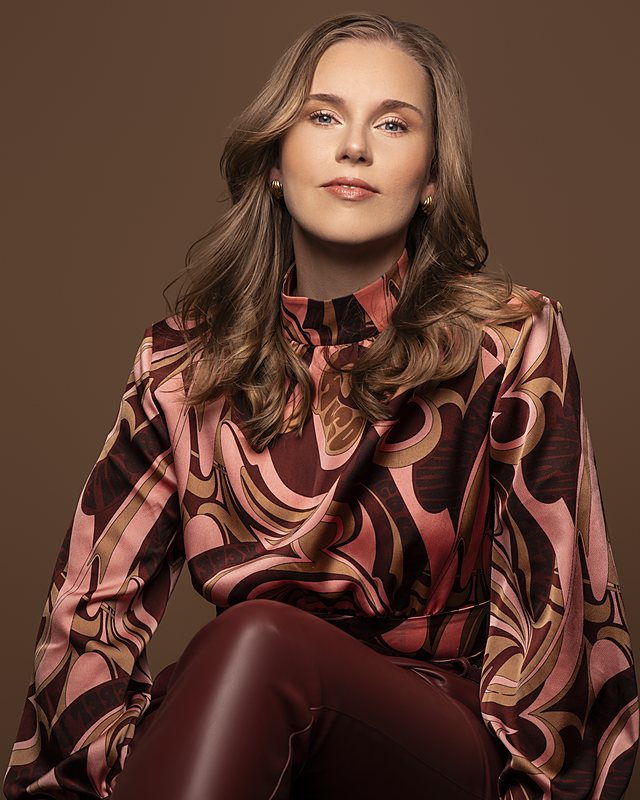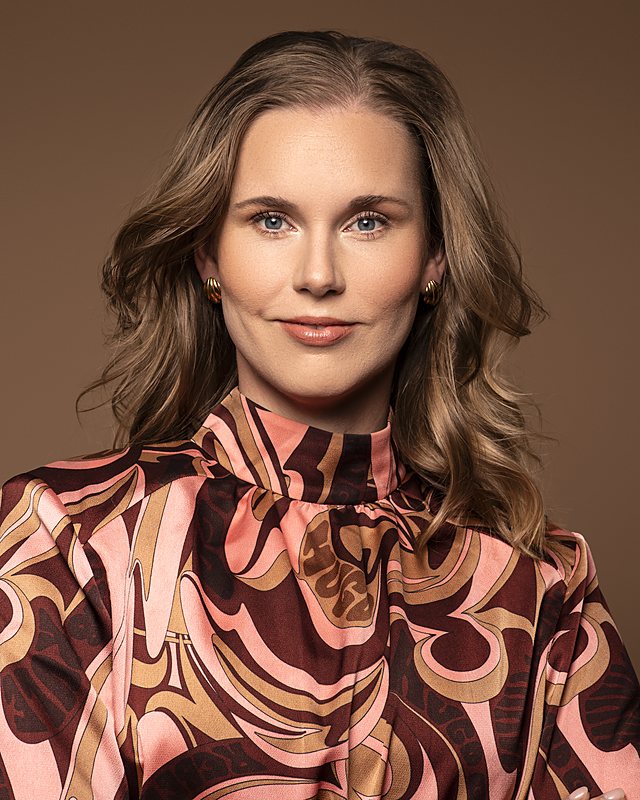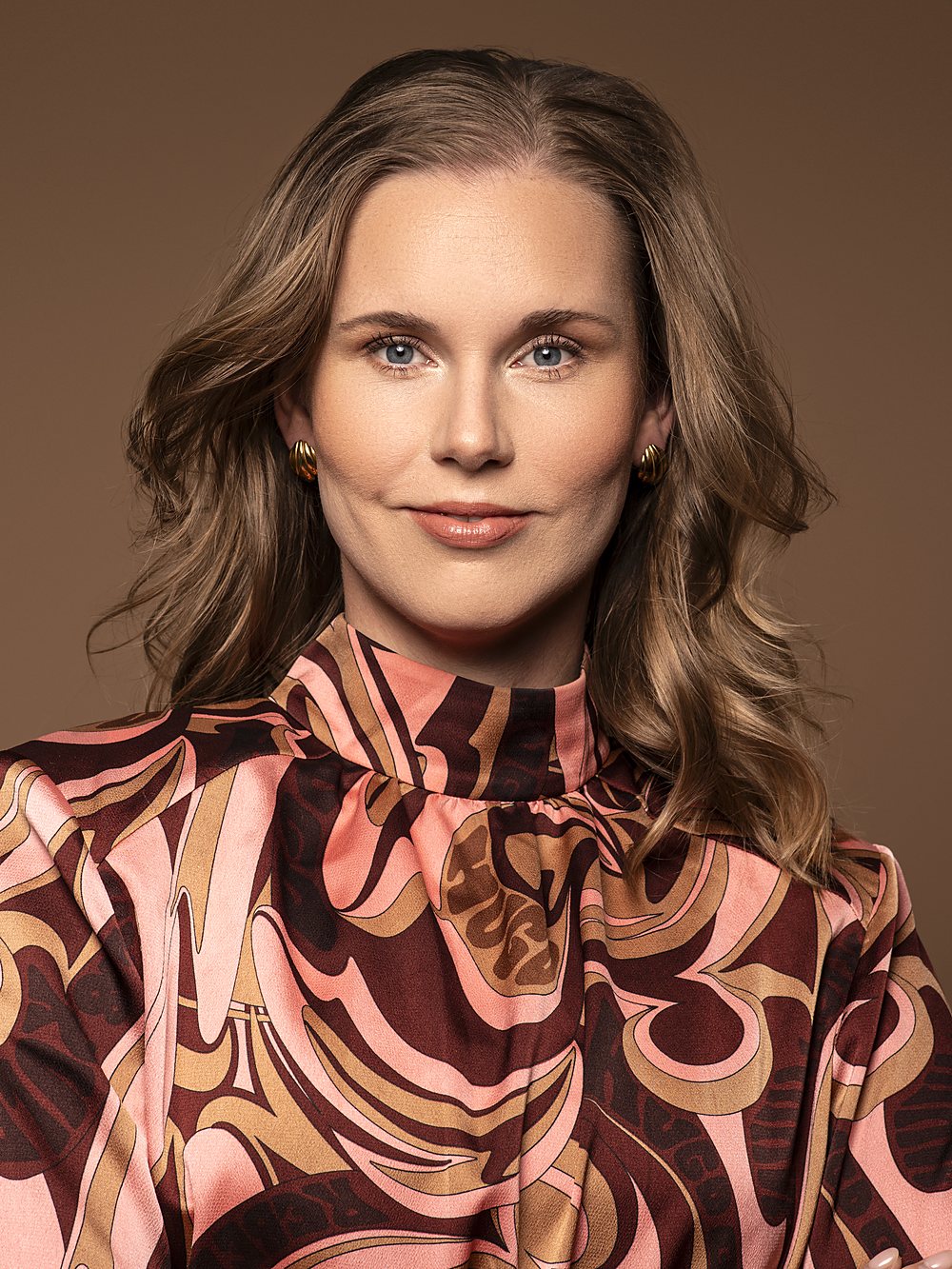
Esther Schagen-van Luit works in Microsoft’s Office of the CISO for Europe, where she focuses on cybersecurity strategy and risk management. Yet the leader in this conversation measures success in other people’s careers: the promotion she sponsored, the work she kept off her team’s plate, the team still standing at the end of the month. She speaks plainly about AI, about who gets left behind, and about the introvert behind the easy communicator. And at the weekend, she works on her glass art.
What is the essence of leadership talent for you, and how do you recognise it immediately?
Being a leader means having people place their trust in you, to care not only for the company’s best interests but also their personal best interests. Helping them make that next career step, giving them more space during a difficult time in their life, and making sure that when you benefit, they benefit. And when you lose, you try your best to prevent them from losing. Their success is your success.
Bringing your difficult messages with kindness and honesty, bringing your vision with passion and integrity. It’s easy to recognise: a great leader talks about the greatness of the team members they enable, more than about themselves.
A great leader talks about the greatness of the team members they enable, more than about themselves.
Which moment shaped you more as a leader than any book or course ever did?
Every time I’ve been able to support someone from my team to get a promotion or role in another team or company that’s a clear step up from what they would’ve been able to handle a year ago.
It seems I have the opposite of ‘empty nest’ syndrome: it makes me proud because it means I was able to identify the right training, offer stretch assignments and coaching to someone to get them to that place. And I am happy to sponsor them into their next step on the career ladder.
What should leaders stop doing because it no longer works in this time?
The biggest missed opportunity I see is leaders treating AI productivity gains purely as a way to cut staffing costs and deliver short-term shareholder value.
The leaders who get this right retrain their people in roles at risk and broaden and deepen their skills, so they add more value to the company with the support of AI, rather than doing the same things they’ve always done, just more cheaply.
In the medium term, I believe AI will create more demand and workload, not less. Companies that let go of the people who know their business best will feel that loss: it’s a waste of hard-won knowledge, and a missed opportunity to be a great employer to your people.
Which leadership decision made you or your team visibly stronger?
One thing I have always protected is a clear line between the work my team owns and the work it doesn’t, shielding them from unnecessary increases in their workload that didn’t add value to our core goals.
Of course, conditions and remits change constantly in a business context, so we would consider adding work when required, but only if the people needing to execute it agreed it would be the right thing to do. And if so, it should come at an explicit re-balancing: either dropping other work or getting more resources to execute the work.
Cybersecurity is a stressful field, and maintaining a feasible and diversified workload has always been top of mind for me to ensure I’d have a healthy and happy team left standing.

What gives you energy in other leaders, and what drains it?
It gives me energy when I see other leaders be their authentic, full, quirky selves (without having that be an excuse for misbehaving). Regardless of how big the role is, they aren’t afraid to have fun whilst executing on it, and stay human, relatable and accessible to the people that work for them. Even better if they dare to be vulnerable about some of the aspects of the role or their personality that they sometimes struggle with.
What drains it would be if leaders are there for themselves first and foremost. When something goes well, they’ve achieved it and should get a bonus. When something goes poorly, the team’s done it and people get fired. I believe leadership comes with a duty of care; we win or we lose together.
I believe leadership comes with a duty of care; we win or we lose together.
How is AI changing what you expect from yourself and from your team?
I am in a very dynamic organisation and role when it comes to using and securing AI. I get ample opportunity to discover, innovate and change our processes based on what AI allows us to do. The pace of change is sometimes exhausting, and we make a deliberate practice out of sharing our notes, lessons learned and interesting resources, so nobody has to figure it out alone.
I’m fortunate that my role gives me early, hands-on access to AI, and that makes me all the more aware of (and worried about) the growing gap between people who have access, training and support to engage with AI, and those who don’t. Both from a career perspective, as well as a rapidly widening gap on digital inclusion.
What do the people who work with you every day know about you that the outside world does not see?
The thing that people get surprised by the most is that I am an introvert. I tend to come across as extraverted and as someone who communicates easily, but my personal preference is truly to do a lot of thinking, creating and writing by myself. This forces me to set very clear boundaries on which social commitments I take on and which I decline, so I can balance what people need from me with what I need for myself.
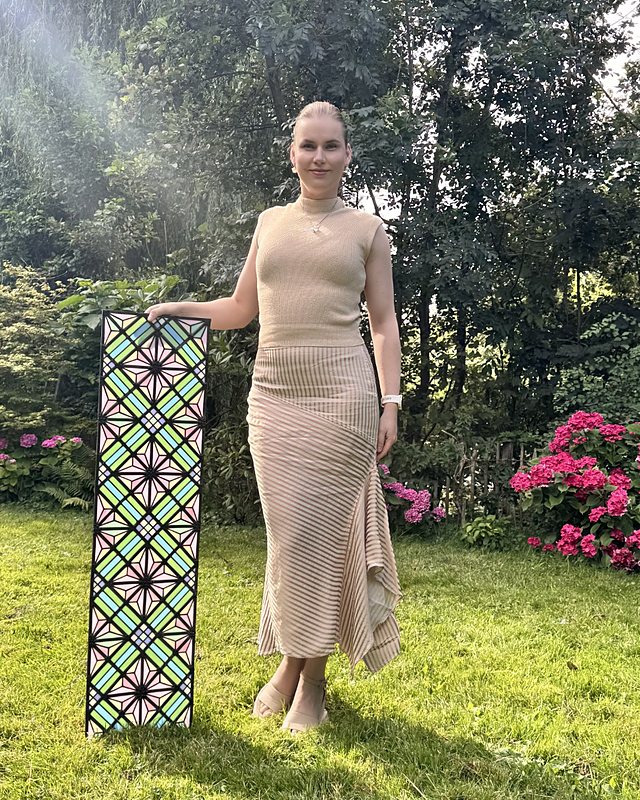
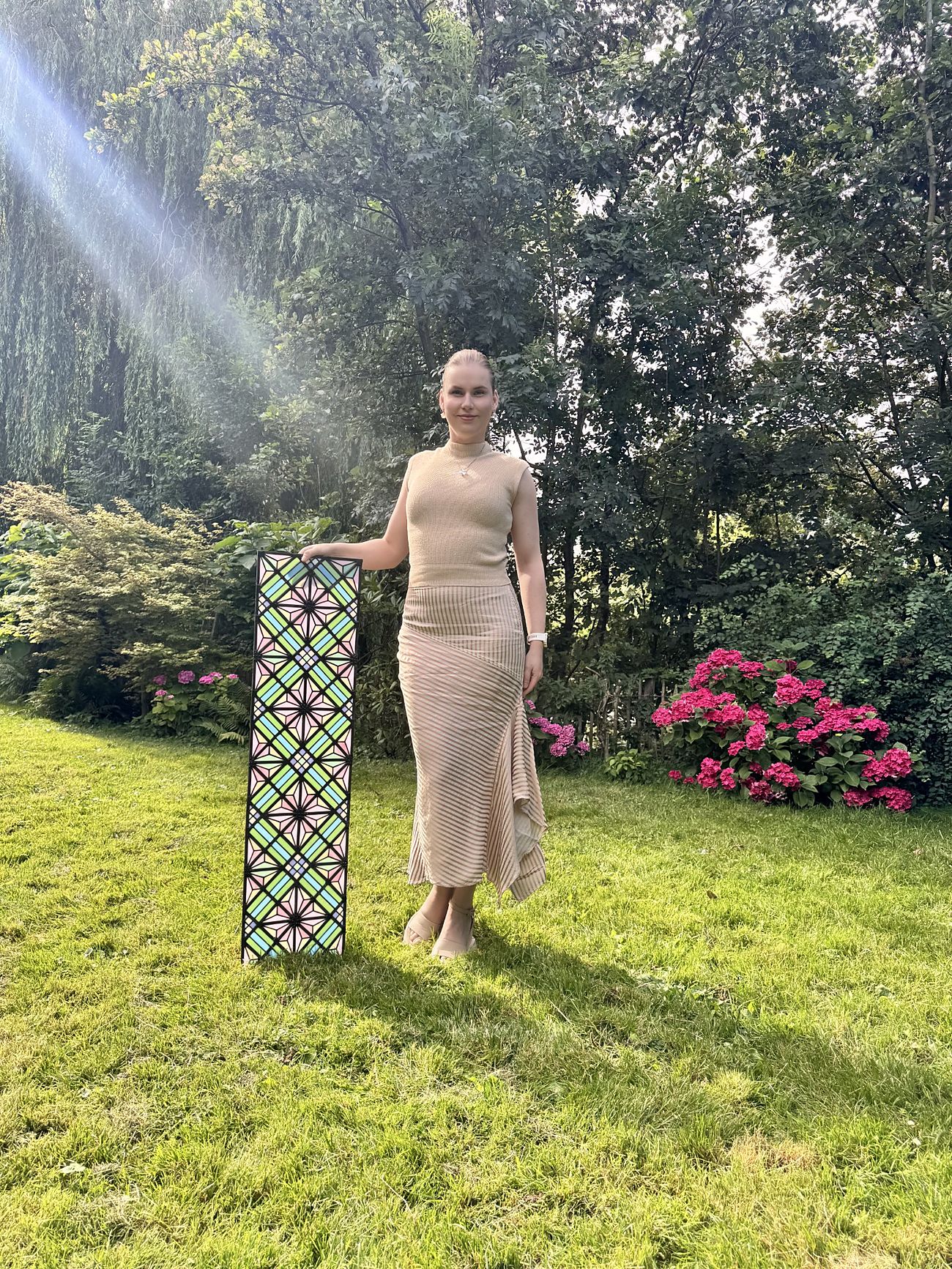
People also have a hard time reconciling I am both highly structured and strategic, and very creative and open to experimentation. I need that latter part of my identity to ensure I won’t get bored, and making my glass art has been a great means of enabling my continued professional success in IT.
Which insight about people do you wish you had understood ten years earlier?
The insight that there is no such thing as simply a good or bad employee. Everyone has their own ‘manual’ and set of tasks that they will thrive at, and my job as a leader is to figure out that manual if they haven’t been able to vocalise it explicitly to themselves or others yet, reshape the work I’m asking them to do and communicate with them in a way that will get the most out of them, given the type of person that they are.
Of course, people can grow and change through training and coaching, but seeing ‘the shape’ that each person has from the start can greatly reduce friction and support their growth.
There is no such thing as simply a good or bad employee.
What will a bright leader in 2030 do differently from today?
2030 seems like a long way off given the speed with which our world is changing right now.
A bright leader should have a clear strategy on how they leverage technology, particularly AI, in their organisation, and which roles and responsibilities will explicitly stay human. I think we will go through a period of uncertainty on what work people will continue to do alongside AI, and that bright leaders offer them vision, stability, empathy and the perspective that even though their job changes, they still add value to the company and to society.
Recognising that not everyone is equipped for rapid change or has the technical skills to keep up, and that some people simply fear what they don’t know, demands real focus from leaders on bringing everyone along for the ride.
“Their success is your success.Esther Schagen-van Luit
Bright Leadership, according to Esther.
For Esther Schagen-van Luit, leadership starts with the trust people place in you: to care for their careers and their lives, not only for the company. She measures her success in the promotions of the people she coached and sponsored, guards her team’s workload in a stressful field, and believes leadership comes with a duty of care. She asks leaders to use AI to grow their people rather than to replace them, and keeps an eye on those who risk being left behind. Structured and creative, an introvert who comes across as the opposite, she finds in glass the inspiration she brings to her work in IT. Be kind. Be brave. Be honest.