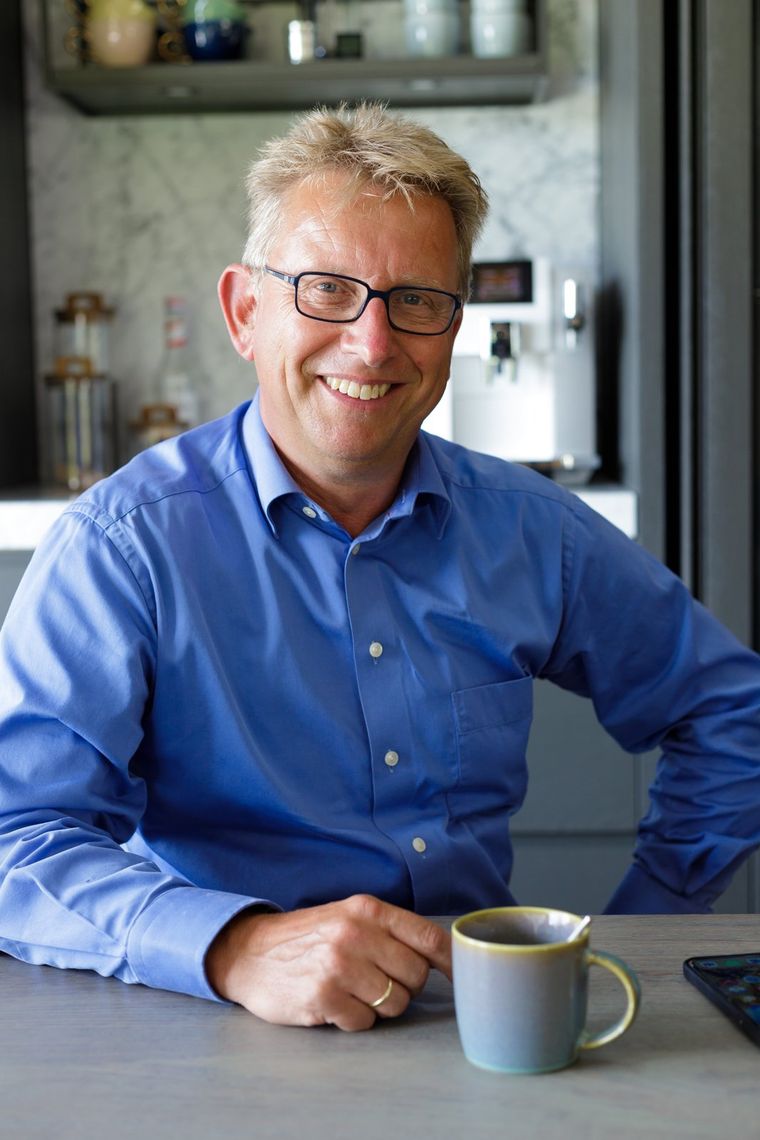
Jacques Buith made a move few others have made: from the international boardrooms of Deloitte, where he led the global UN account team, to the heart of Dutch SME country. Since September 2024 he has been at the helm of Flynth, a house in the middle of the biggest transformation the profession has ever seen. This conversation took place with nothing filled in beforehand. What follows is a conversation about indirect leadership, sitting on your hands, and why he would rather let someone run with a plan he doubts than insist on being right.
How do you recognise genuine talent when you see it?
For me, the essence of leadership is making people better. Being able to give the people around you, your clients, your talent, something that makes them function better tomorrow than they do today. Taking someone by the hand and leaving something behind. Sometimes those are things they did not even know they had in them, but under the right leadership they find out.
How do I recognise it? By curiosity. The way I lead is more often indirect than direct. I ask questions, I challenge. Wouldn't it be an idea to? And then you see it immediately. One person comes back a week later with: I have been thinking about what you said, look, here is a first attempt, is this something? That is where the talent is. The other says: no, you are seeing it wrong. That is an essential difference.
The way I lead is more often indirect than direct. I ask questions. And you see immediately who starts to move.
What should leaders truly prepare for in the years ahead?
That the people around you will no longer make the difference with what they know, but with how they search. The questions coming at us, from clients and from society, rarely have a ready-made answer. So you do not need people who practise their craft on factual knowledge; you need people who accept a question and go looking for possible answers. Not 'that is how it is, because debit always equals credit', but 'interesting, let me think about how you see it'. That is the shift.
What should leaders simply stop doing?
Reaching for the answers of the past. The assumption that what worked before will work again in the future. Ticking off lists, steering on KPIs that come from the past and get projected onto the future. You have to keep daring to recalibrate your set of strategic pillars.
And I have had to unlearn something myself: the idea that leadership is a straight line upwards. A little better every day sounds nice, but it is a utopia. At Flynth I am discovering that it is sometimes three steps back, then two up, then sideways. If you believe it has to be a straight line, you will make yourself deeply unhappy. The dot on the horizon has to be there, then you get to work, and only when you look back after six months or a year do you think: actually, quite a lot has changed. What you need for that is resilience. And time. The ability to sit on your hands for a while and put the same point back on the table a week, a month or a year later.
Which leadership decision made you and your team visibly stronger?
Admitting that something of yours was not the best idea. I have outspoken views on where I want to go; everyone at Flynth knows that. But when someone comes to me with a good story that cuts straight across my plan, I listen first. And sometimes I then say: I still think I am right. But your story is so good, and you tell it so convincingly that I believe you believe in it. So go. We will do it your way.
People find that remarkable, I notice. Most leaders say: just fall in line, I came up with this. And there is something essential that comes with it. If it becomes a success, it belongs to the team. If it goes wrong, I did it myself. Even when I had my doubts from the start. That works tremendously well.
If it becomes a success, it belongs to the team. If it goes wrong, I did it myself.
What leadership style gives you energy?
People who start thinking along with the questions I ask. Preferably in small teams, around a whiteboard, chewing on something together for an entire afternoon. The solution eventually comes out of those chaotic thinking sessions, and I love that.
They do not have to be big strategic questions. At Deloitte, in my UN role, I sometimes spent a whole afternoon brainstorming with my chief of staff and my assistants about the agenda for the next eight months. Which week to New York, which week to Uganda, what needs to be ready by then. On the face of it a planning session, but secretly it was strategy. Afterwards everyone knew exactly what had to be prepared and when. It gave me an enormous sense of calm.
And what drains your energy?
Glass-half-empty thinking. When someone responds to every question by first listing why it cannot be done, I have to be careful not to get angry. I literally have to sit on my hands.
At the same time, I have learned how valuable those people are. Our profession demands precision, people who are factual and careful. If you put the right cog in the right place, the whole system starts to run, and then they are exactly who I need. The art is to let them keep their value and let them try it their own way, even when I doubt it will work out. I learned that above all in my international years, where the differences between people and cultures are at their greatest. Looking back, that is where I drew the most value.
Which quality is most underestimated in leaders?
Empathy. If you can bring people along on a personal level, you can get almost anything done. If you have that, there are other things you do not even need. If you do not, everything becomes very complicated.
Which insight about people do you wish you had gained earlier?
That every person is different, and that every person needs a slightly different approach. And how strongly that is shaped by culture. Once you understand someone's background, things become so much easier. That is true internationally, but just as much in the Netherlands.
My own Frisian roots certainly play a part in that. Just act normal. And above all: together. In Friesland we call it Mienskip, that sense of community, of making things a little better with each other. People sometimes say that a striking number of Dutch leaders in international roles have Frisian roots. It made me smile, but it will not be entirely coincidence.
What does the future of leadership look like?
I think leadership will remain as important as ever, even in a world where you can soon ask an AI assistant anything. Whether I think that or mostly hope it, I honestly do not entirely know myself. But here is what I believe in deeply: when you sit with someone eye to eye, something happens that you cannot get anywhere else. My hope is that leadership built on human interaction remains an indispensable link in the whole. Perhaps a smaller link than before. But a link.
An image that stays with me
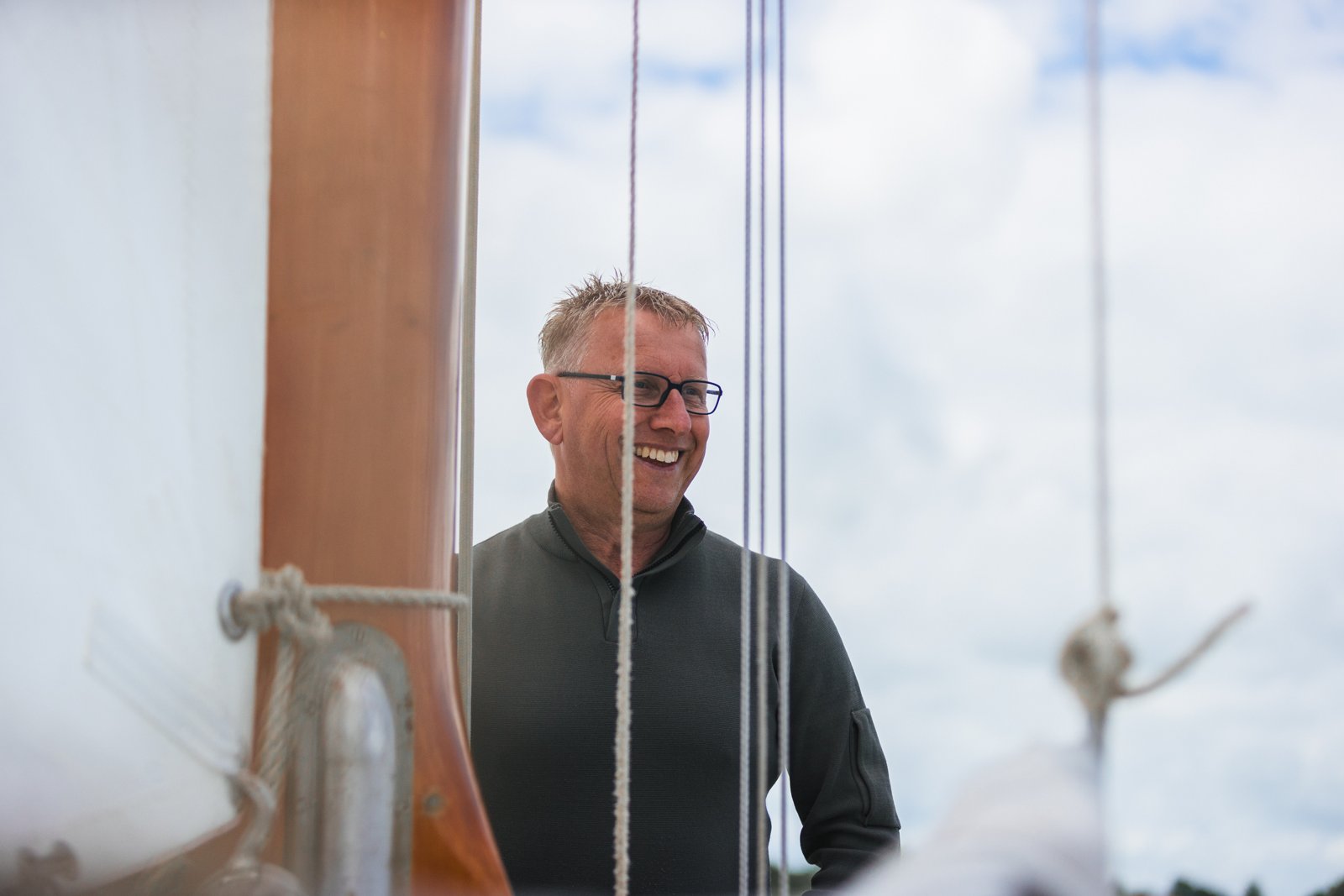
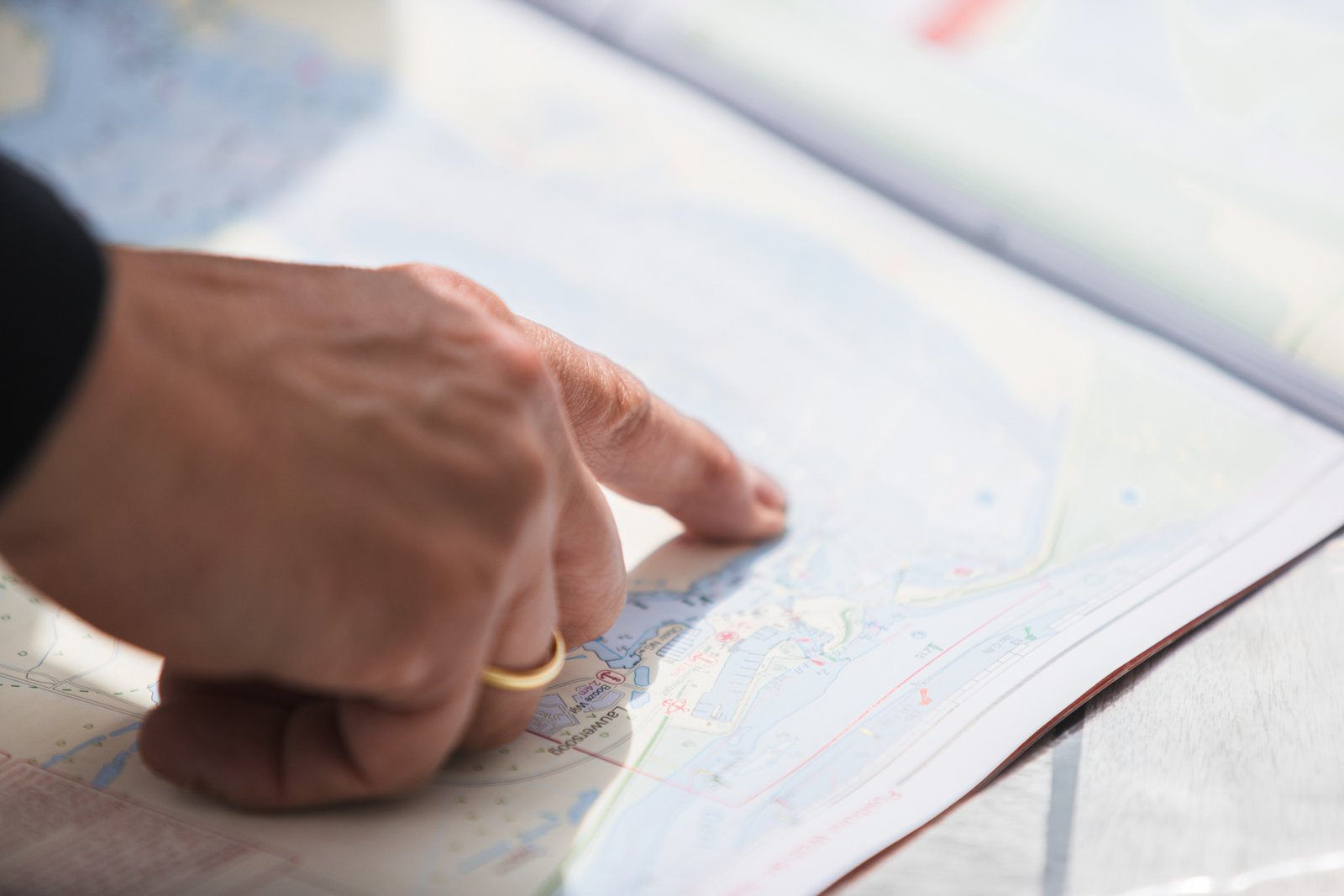
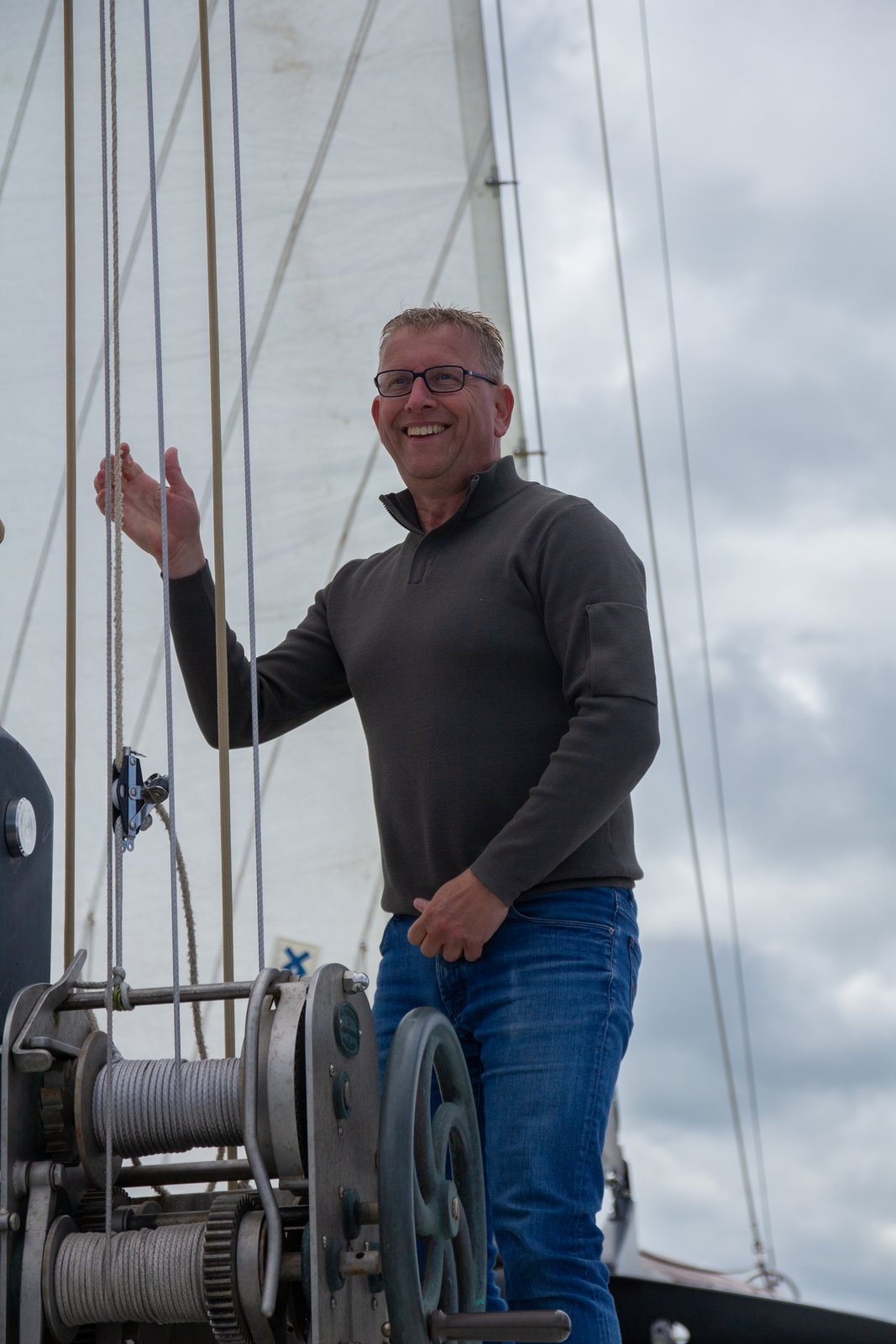
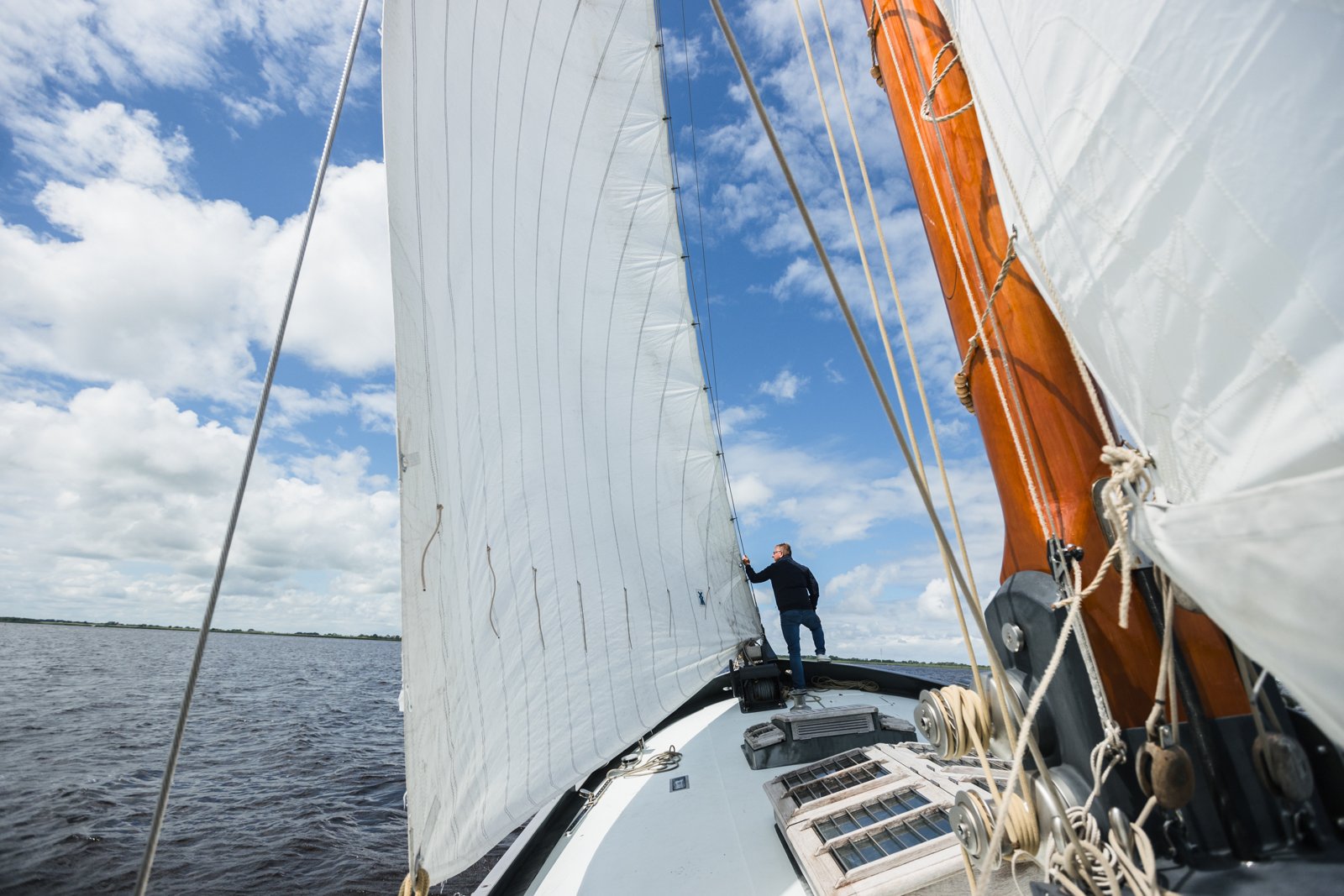
If you are looking for me on a day off, you will quite often find me on the water. I sail regularly, preferably on the Wadden Sea. Just recently: letting the boat dry out on the flats, waiting for the water to return. You cannot force anything out there. The tide decides, not you.
Maybe that is why it does me so much good. In my work I like to move forward, and I have had to learn that an organisation has its own tide. Sometimes you sail, sometimes you dare to lie still and wait for the water to lift you again. Out on the flats, that is not weakness. That is simply how it works.
Bright Leadership, according to Jacques.
For Jacques Buith, bright leadership is making people better. It shows in asking questions rather than imposing answers, and in the curiosity of someone who comes back a week later with a first attempt. It takes the courage to let someone run with a plan you doubt, and the backbone to carry the outcome: the success belongs to the team, the mistake he takes himself. After 33 years in international boardrooms he knows that progress is rarely a straight line and that empathy opens more doors than any strategy. And in a world where soon anything can be asked of technology, he holds on to what the Wadden Sea and Friesland taught him: it is about what happens between people, eye to eye. Mienskip. His hope, and really his conviction: that link remains.