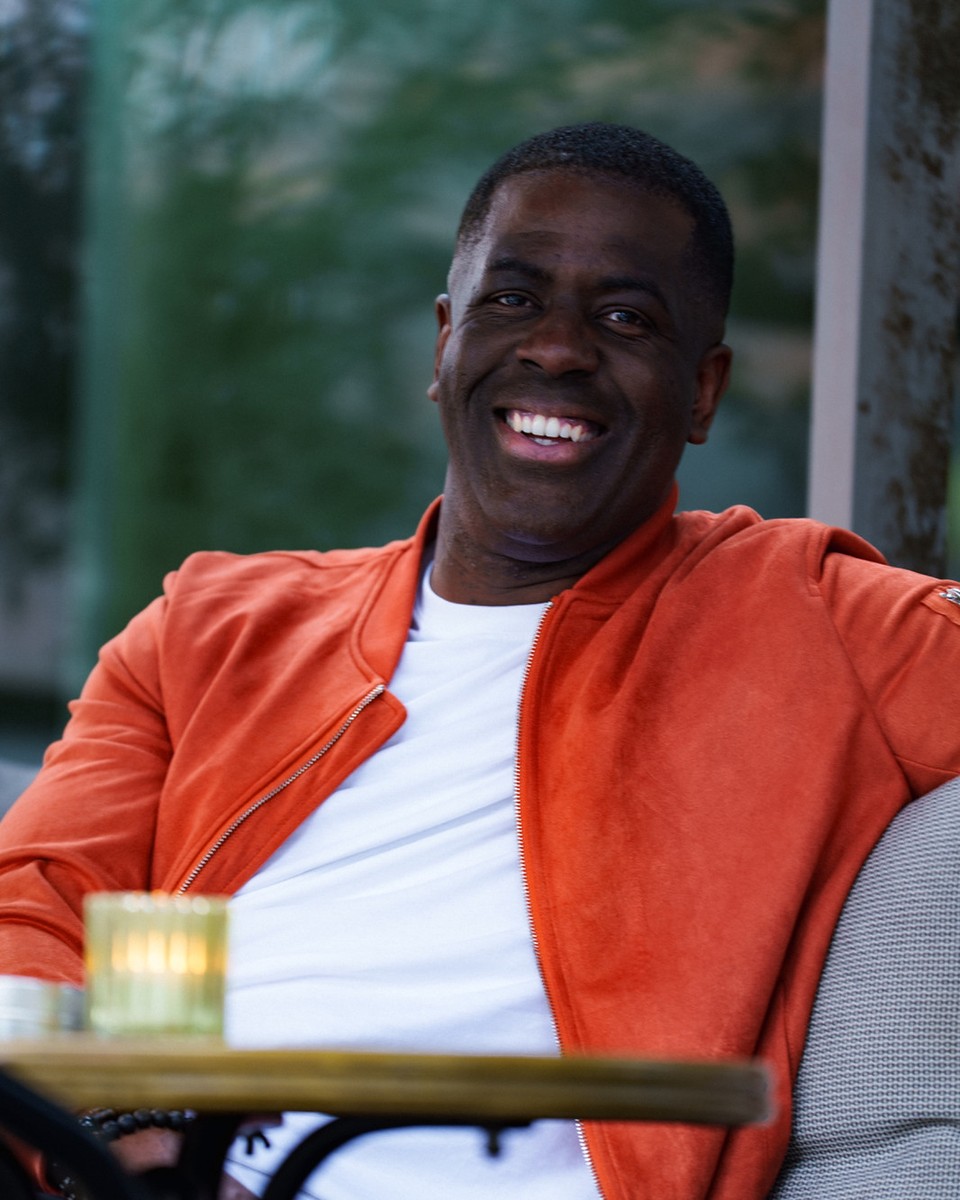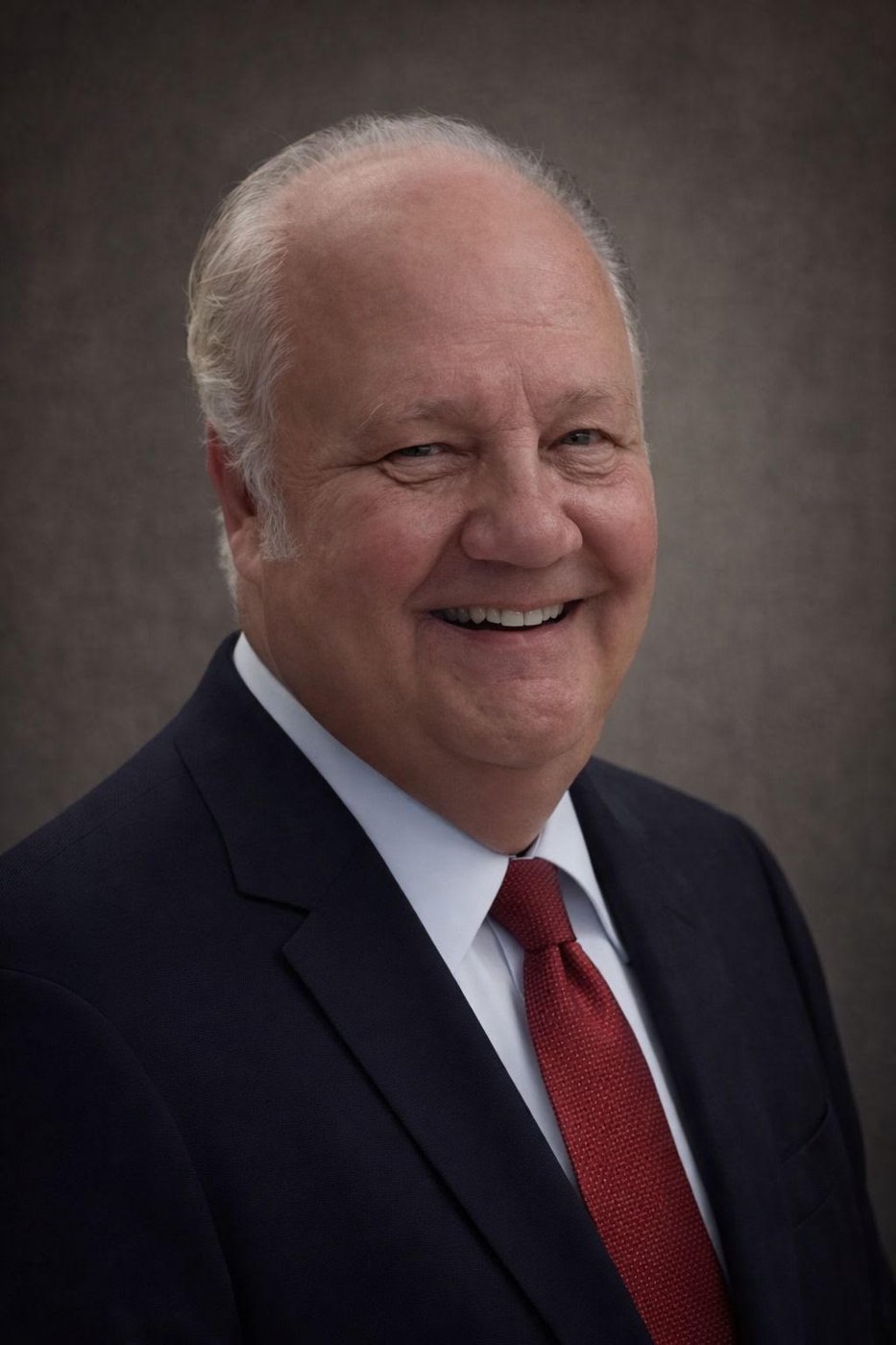
Joost Kreulen has spent a career leading global companies, and he leads them on his feet. He calls it management by flying around: not command from a desk, but presence across an organisation, listening, asking, and trusting good people to perform. What follows is a conversation about vision and execution, about the quiet strength of strategic patience, about leading across cultures, and about a future leader who is first among equals rather than above the team.
What is the essence of leadership for you, and how do you recognise it immediately?
To me, the essence of leadership is the ability to inspire trust, empower people, and bring a team together around a shared vision. I believe in giving talented people the confidence, autonomy and responsibility to perform at their best, while being there to provide guidance, support and direction when needed. I am a strong believer in 'management by walking around', or in my situation as leader of a global company, 'management by flying around'. Leadership should not be restricted to an office, a desk or a meeting room. It is about being visibly present, stepping out, observing, listening and engaging informally with people across the organisation. My preferred leadership style is therefore delegative and supportive, rooted in the principles of servant leadership. I believe leaders should create the conditions in which professionals can succeed, rather than trying to control every decision. People may differ greatly in talent, experience, background or education, but they should be equal in their commitment to the shared purpose. I also recognise that wherever people work together, differences and conflicts are inevitable. The objective is not to eliminate disagreement, but to create an environment where differences can be discussed openly, respectfully and constructively. When trust, openness and a shared sense of purpose are present, people gain greater enthusiasm and enjoyment in their work, and the team, the individual and ultimately the organisation become stronger and more successful.
Leaders create a vision, managers create goals.
Which leadership challenge should leaders truly prepare for in the coming years?
Leaders have to manage permanent change, which is a given in today's world. I see two main challenges, the first being technology. As AI takes over routine tasks, it is changing daily roles. Leaders must ease employees' fears about job security and at the same time provide training programmes to use new AI tools safely and well to increase productivity, managing job evolution, skill gaps and uncertainty. Secondly, there is a big challenge in leading remote work, as teams split time between home and office. This also leads to connection gaps, as it is harder to build strong bonds in teams through a screen.
What should leaders stop doing because it no longer works in this time?
Leaders must stop relying on command-and-control management and rigid top-down supervision. Another habit to drop is micromanaging, as in tracking hours spent on work and nitty-gritty details, and instead becoming much more result oriented. Modern professionals need autonomy and the freedom of entrepreneurial movement to deliver results. Leaders should also stop isolating themselves in leadership bubbles, shutting themselves away in boardrooms and executive meetings, as this disconnects them from frontline realities and employee motivation.
Which leadership decision made you or your team visibly stronger?
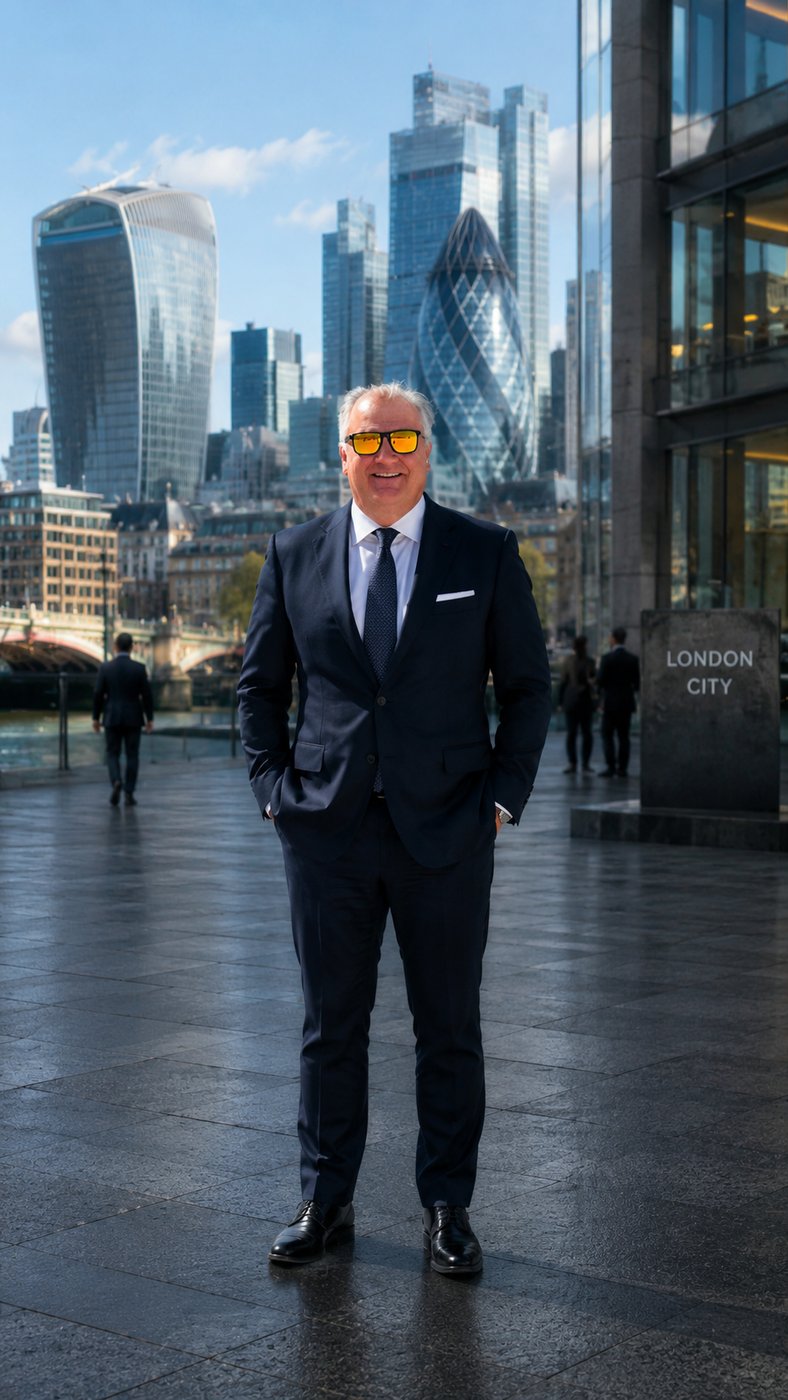
A recent example is a complete board reconstitution and business turnaround. As a chairman I had to replace the executive and non-executive team of the group. As Chairman of the Board, I also stepped into the role of fractional CEO, leading by example. In that role, I took the lead in communicating a clear and compelling vision and strategy to all stakeholders almost immediately after the board reconstitution. I then translated that strategy into a clear execution plan, with a defined timeline, measurable milestones and clear accountability. Most importantly, we delivered tangible results. This created stability and clarity across the organisation, while also rebuilding confidence, energy and enthusiasm and securing strong buy-in from stakeholders.
Which trait or leadership style in other leaders genuinely gives you energy?
Clearly, from my recent experience, I get energised by transformational leadership: using high enthusiasm, passion and clear vision to make team members feel recharged and motivated, inspiring people to reach their highest potential. My core style is servant leadership. This style puts the team first. As a leader you have to listen closely, show empathy, and ensure everyone feels included, heard and valued.
Which way of leading costs you energy, and why?
What costs me the most energy as a leader is leading in negative environments, particularly situations where people are driven more by personal interests, positions or agendas than by the interests of the team or the organisation. When individuals put their own position above the collective goal, it creates friction, slows decision-making and, most importantly, drains positive energy and ambition from the organisation. Another challenge is balancing the different interests of shareholders, employees and clients. These stakeholders do not always have the same objectives or drivers. Leadership sometimes means bringing these different perspectives together and creating alignment around a common purpose. I am at my best when I can work with people who are positive, ambitious, professional and willing to take responsibility. I also believe strongly in personal responsibility and freedom of choice. A company is not a prison. People choose where they work, just as organisations choose who they want to work with. If someone genuinely does not like the organisation, its culture or its direction, I will never tell them they have to stay. Ultimately, everybody is the master of their own destiny. As a leader, my responsibility is to create the right environment, provide clarity, trust people with responsibility and give them the freedom to perform. I want to spend my energy on people who want to contribute, grow and move the organisation forward, not on constantly managing resistance, negativity or personal agendas.
Which leadership quality is structurally underestimated?
The leadership quality that in my opinion is most often underestimated is strategic patience: knowing when not to act immediately, accepting uncertainty, and giving people and situations time to develop before stepping in. Today's organisations, with quarterly results in a public listed environment and a constant flow of information, often reward quick decisions, fast responses and visible action. As a result, patience can easily be seen as being passive or indecisive. In reality, it can be a sign of strong judgment and confidence. When a leader waits and a problem resolves itself or never becomes a crisis, nobody sees what the leader prevented by not acting too soon. Patience is a virtue.
Which insight about people do you wish you had understood ten years earlier?
'Multicultural leadership is a different animal.' In leading multicultural organisations, understanding the software of the mind (there is an excellent book written on that by Geert Hofstede, an absolute must for every leader of global organisations) means recognising that employees from different cultural backgrounds process information, communicate and solve problems differently. Leaders in high power distance cultures, such as Asia, expect formal hierarchy, while low power distance cultures, such as Europe, favour collaborative, flat decision-making. In some cultures employees avoid uncertainty and therefore require clear sets of rules; in others, employees need more flexibility and are willing to take risks. And there are many more differences that global leadership needs to be very much aware of.
Finally, how do you view the future of leadership?
The future of leadership is moving away from a command-and-control approach towards a more human-centered and technology-enabled way of leading. Tomorrow's leaders will rely less on formal authority and more on influence, empathy, trust and collective intelligence. Leadership is about supporting people, creating the right conditions for them to succeed, and leading by example. In many ways, the leader becomes 'first among equals', leading the team without standing above it. A strong sense of belonging, purpose, shared vision and common goals becomes increasingly important. This evolution is driven by rapid technological change, employees working remotely, and changing expectations of employees. The leader is no longer expected to be the person who has all the answers or makes every decision. Instead, the leader acts as a facilitator, coach and orchestrator, bringing together people, AI technology and knowledge to achieve the best possible outcome.
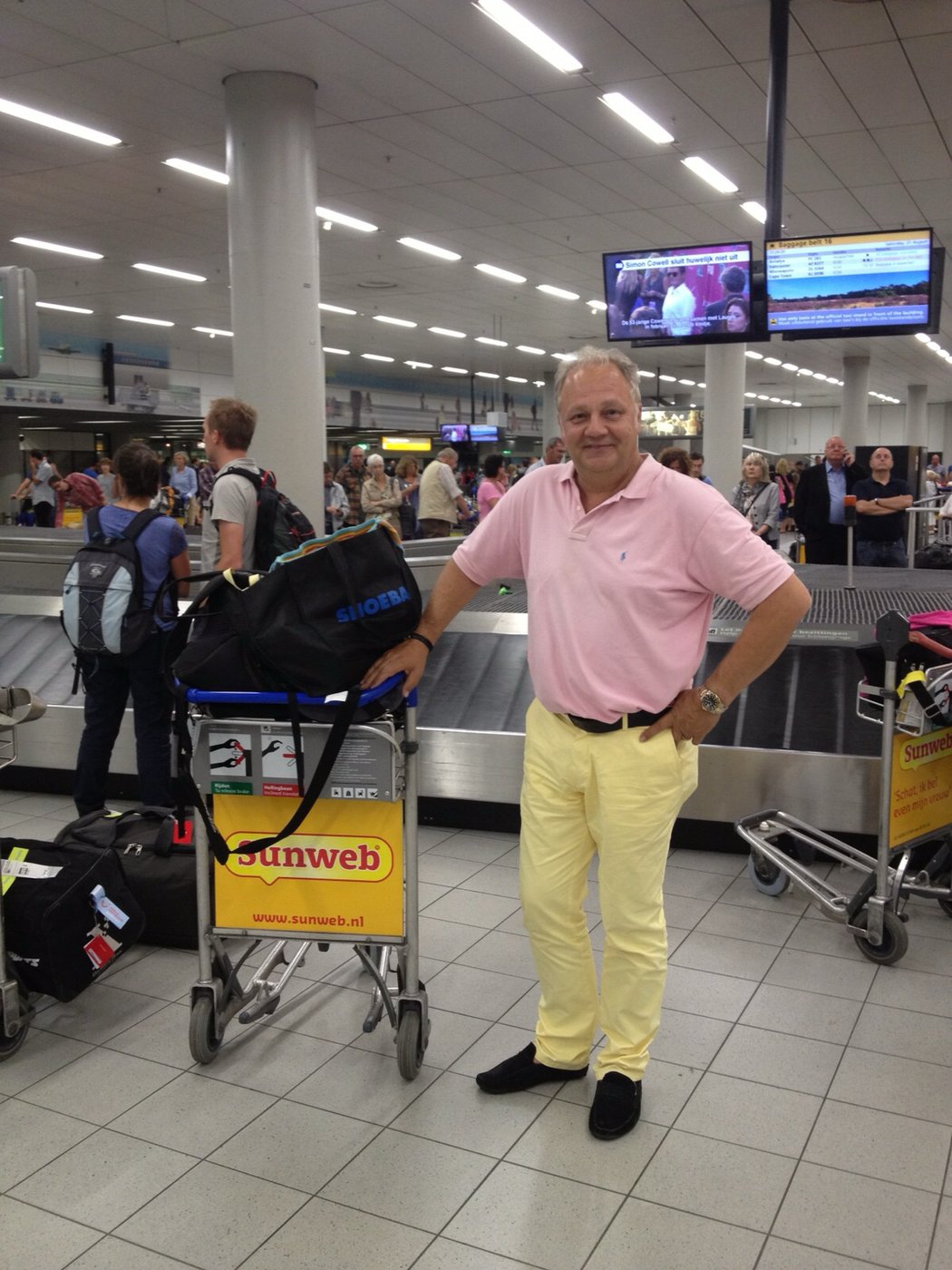
Bright Leadership, according to Joost.
For Joost Kreulen, leadership begins with trust and a clear, shared vision, and only counts when it is executed. He leads by management by flying around, present across the organisation rather than behind a desk, and roots his style in servant and transformational leadership: create the conditions in which good people can succeed, then give them room. He values strategic patience, respects that a company is not a prison, and reads the cultural software of the mind when leading across borders. His picture of the future leader is first among equals, an orchestrator of people, technology and purpose. Strategy without execution, he insists, is daydreaming.