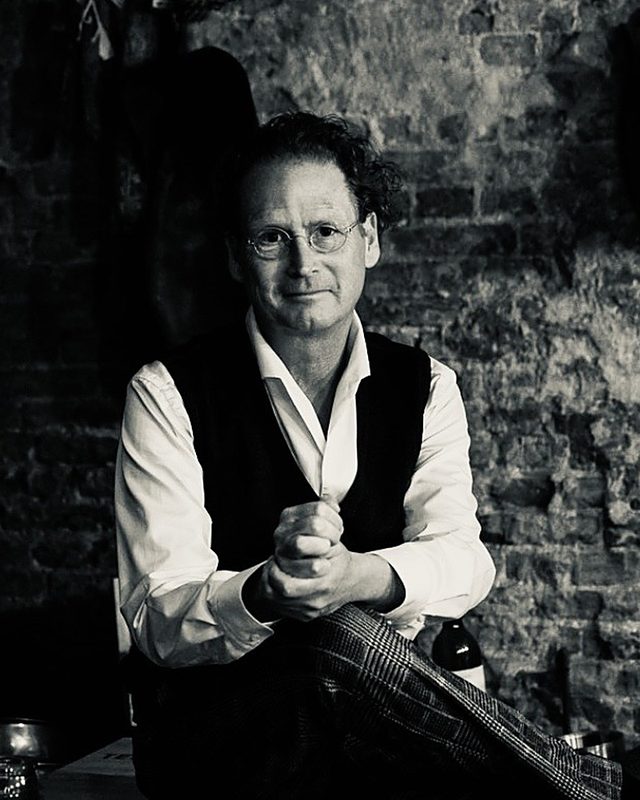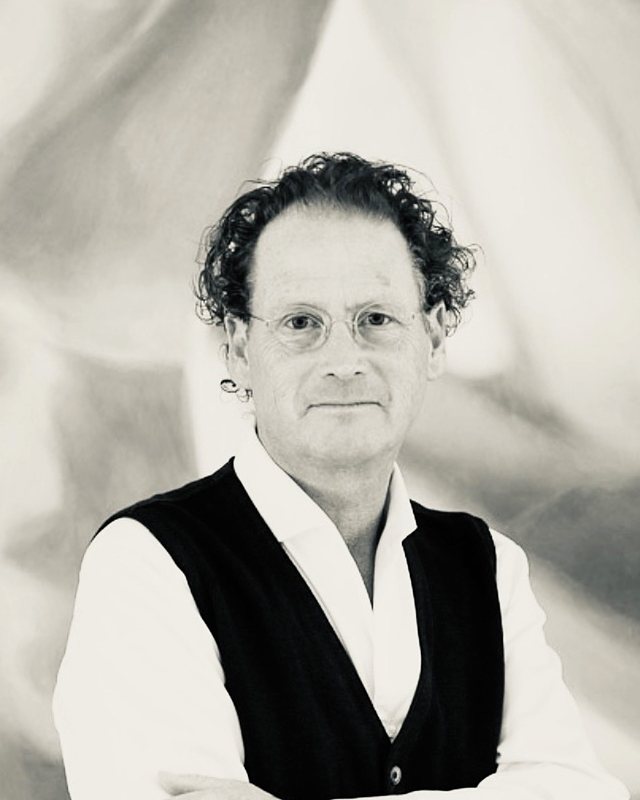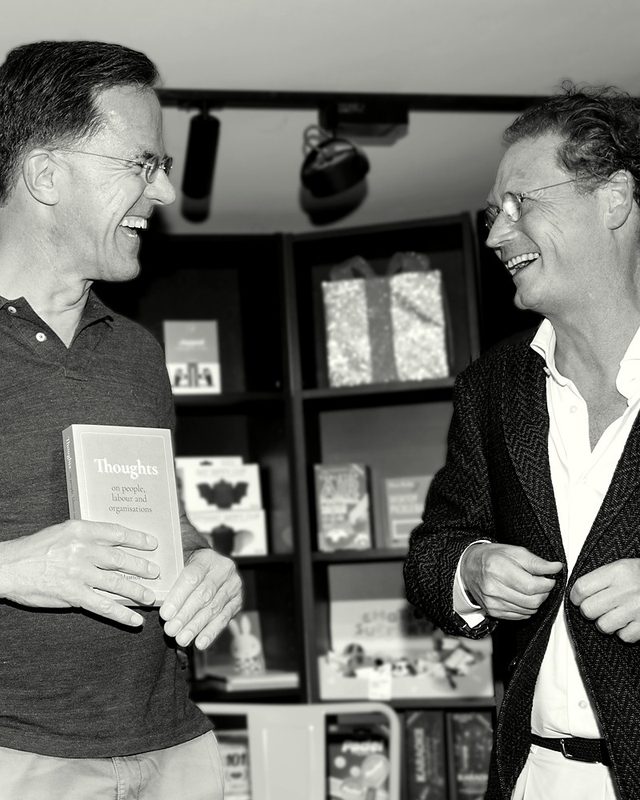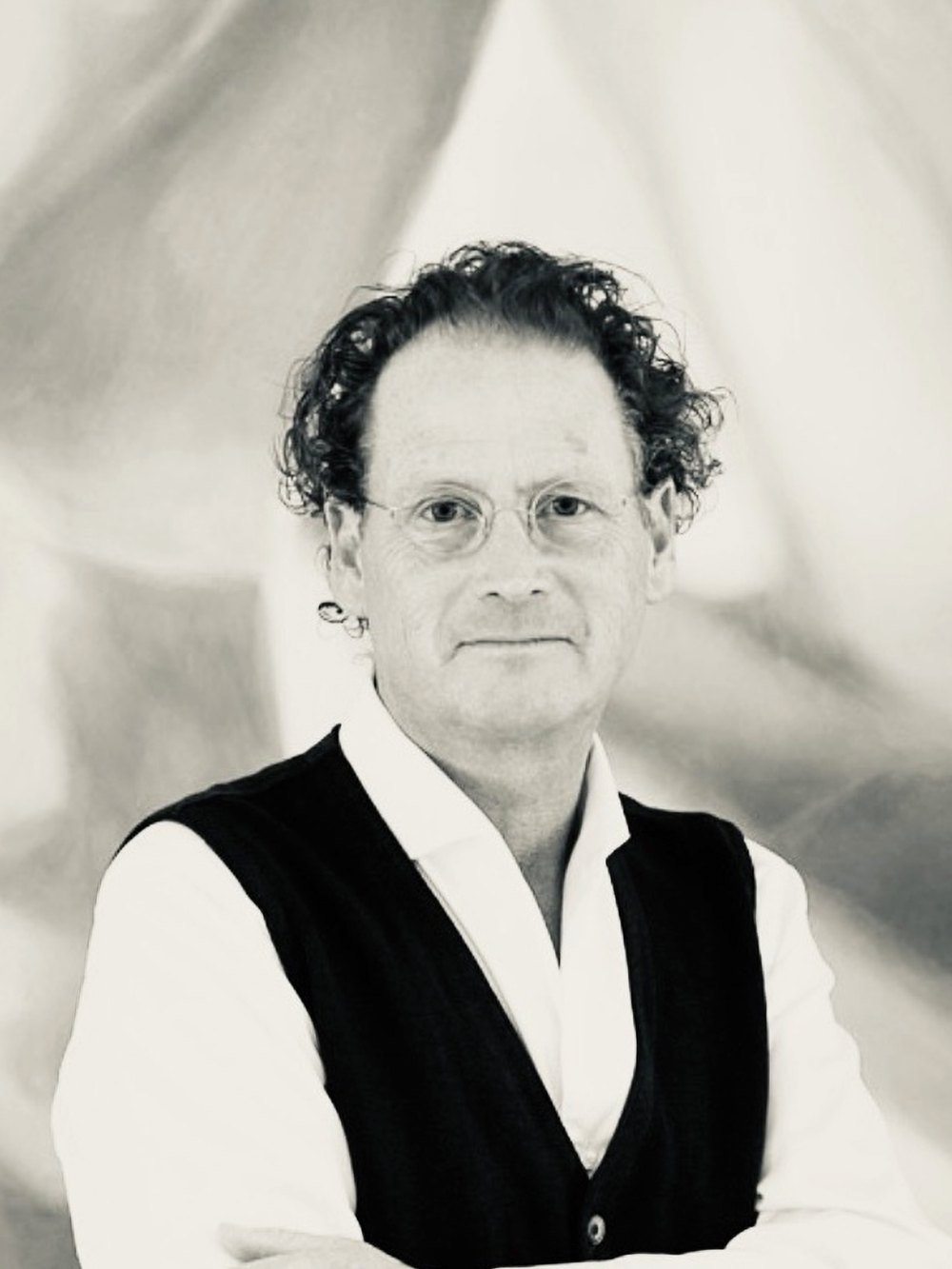
Maarten van Beek has worked across countries, cultures and organisations, and he took one lesson from all of it: what makes perfect sense in your own head does not necessarily make sense to anyone else. His idea of leadership is refreshingly unheroic. Make others bigger, stop pretending to know, give responsibility away. What follows is a conversation about certainty and trust, about AI raising the bar, and about why people rarely need to be fixed.
What is the essence of leadership talent for you, and how do you recognise it immediately?
For me, leadership talent starts with a genuine interest in people, combined with the courage to take responsibility. You recognise it in people who make others bigger rather than themselves. They listen, ask questions, create trust, but are not afraid to make a decision when one is needed.
And perhaps most importantly, they have the courage to be themselves. Leadership is not about having all the answers. It is about creating the conditions in which others dare to find better ones.
‘Leadership is not about having all the answers.’
Which moment shaped you more as a leader than any book or course ever did?
Probably the moments when things did not go according to plan. Working across different countries, cultures and organisations taught me that what makes perfect sense in your own head does not necessarily make sense to anyone else.
But the moments that shaped me most were those in which people trusted me when I was uncertain myself. They taught me that leadership is not a position you occupy. It is something other people temporarily give you. That makes leadership both powerful and humbling.
What should leaders stop doing because it no longer works in this time?
Pretending to know. The world has become too complex, too fast and too interconnected for the heroic leader with all the answers. Leaders should stop confusing certainty with strength and control with leadership.
People do not need a leader who knows everything. They need someone who gives direction, creates clarity where possible, admits uncertainty where necessary, and trusts people to take responsibility. Sometimes saying “I don’t know yet” is a far stronger act of leadership than producing another PowerPoint with 47 slides.
‘Leaders should stop confusing certainty with strength and control with leadership.’
Which leadership decision made you or your team visibly stronger?
Giving away responsibility. Some of the best decisions I have made as a leader were about stepping back rather than stepping in. Giving people real ownership, including the freedom to do things differently from how I would have done them myself.
That can be uncomfortable, but teams become stronger when responsibility is real. Trust without responsibility is naïve. Responsibility without trust is bureaucracy. You need both.
What gives you energy in other leaders, and what drains it?
Curiosity gives me energy. Leaders who genuinely listen, who can change their mind, who have humour and who care about people as much as performance. I enjoy people with strong convictions who do not need to be right all the time.
What drains me is ego, politics and endless positioning. Especially leaders who spend more energy managing upwards than leading around them. Organisations have enough complexity already; leaders should not add themselves to it.
How is AI changing what you expect from yourself and from your team?
AI is raising the bar, not lowering it. I expect us to use it to become faster, more curious and better informed, but not to outsource our judgement to it. If AI can produce the first answer in seconds, our value lies increasingly in asking the better question, understanding context and making choices.
Human judgement, imagination and empathy become more important, not less. The challenge is not to compete with AI, but to become more human because of it.
What do the people who work with you every day know about you that the outside world does not see?
That I am probably more introverted than people think. I enjoy people enormously, but I also need time to think, read and sometimes simply be quiet. My colleagues also know that behind the energy and impatience there is quite a lot of reflection.
I can be demanding, especially when I believe something matters, but I care deeply about people. And they know I use humour to put almost everything into perspective, including myself.
Which insight about people do you wish you had understood ten years earlier?
That people rarely need to be fixed. For a long time, organisations have been remarkably good at identifying what is wrong with people and then designing development plans to correct them. I have come to believe almost the opposite.
People flourish when you see what is already there: their strengths, eccentricities, ambitions and sometimes their rough edges. Give them trust, responsibility and a place where those qualities matter. I wish I had understood earlier that our job as leaders is not to create better versions of people, but to create better conditions for people to become themselves.
‘People rarely need to be fixed.’
What will a bright leader in 2030 do differently from today?
A better leader will probably lead less. Less control, fewer answers, fewer processes designed because somewhere, once, somebody did something wrong. But that does not mean less leadership. Quite the opposite.
They will be clearer about purpose and direction, more courageous in making choices and much more willing to trust people with the rest. They will listen for dissent rather than agreement and accept that leadership is not about being the smartest person in the room. In an age of AI and endless information, judgement, humanity and courage will become more important, not less. The better leader will create the conditions in which other people can lead too.
What builds a leader?
Different cultures. Different people. Different realities. A leader is built by stepping outside the world they already understand and learning to listen before judging. It requires learning agility: the curiosity to question what worked yesterday and the humility to learn again tomorrow.
And perhaps most importantly, it requires understanding the societies in which you operate. Leadership is not only about what you can achieve through an organisation, but what that organisation can contribute to the world around it.
Leadership for the greater good
Good leaders look beyond shareholders, customers and employees. They also feel responsible for the country and the society in which their organisation operates. In the Netherlands that comes with the Rhineland model: business, government and civil society organisations that do not judge each other from a distance, but seek each other out. CEOs who talk with civil servants and NGOs, and just as much civil servants who step into the business world to understand how people think and work there. Not to agree with each other, but to learn from each other and build something better together.
Learning agility and craftsmanship
For me, those two belong together. A leader must be able to learn, unlearn and relearn all the time. But learning agility must not become an excuse for superficiality. Especially with AI, craftsmanship becomes more important, not less. You need to know your craft to use technology well, to ask the right questions and to recognise when the answer is not sound. AI can strengthen craftsmanship enormously, but it does not replace the curiosity and discipline with which you build that craftsmanship.
Curiosity beyond work
Reading, art and music are not hobbies that happen to exist alongside leadership. They keep you curious and bring you into contact with other worlds and perspectives. Ilja Pfeijffer, Pieter Waterdrinker, biographies of Churchill, Albright and many other remarkable people, modern art, the music of the old and young years of Pinkpop, which started in the village where I was born. Sometimes staring into the distance may be just as important as reading another management book.
The dinner table and wine cellar
Cooking for friends, but also inviting people you do not know yet. A table where a CEO sits next to a rector, an entrepreneur, a board member or someone from a completely different world. Making new connections without an agenda or a deliverable attached to it straight away. That is almost a small metaphor for how I see leadership: being curious about the other, bringing worlds together and trusting that a good conversation produces something that was not in the PowerPoint beforehand.
‘Leadership is not only about leaving your organisation better than you found it. It is about leaving a small part of society better too.’
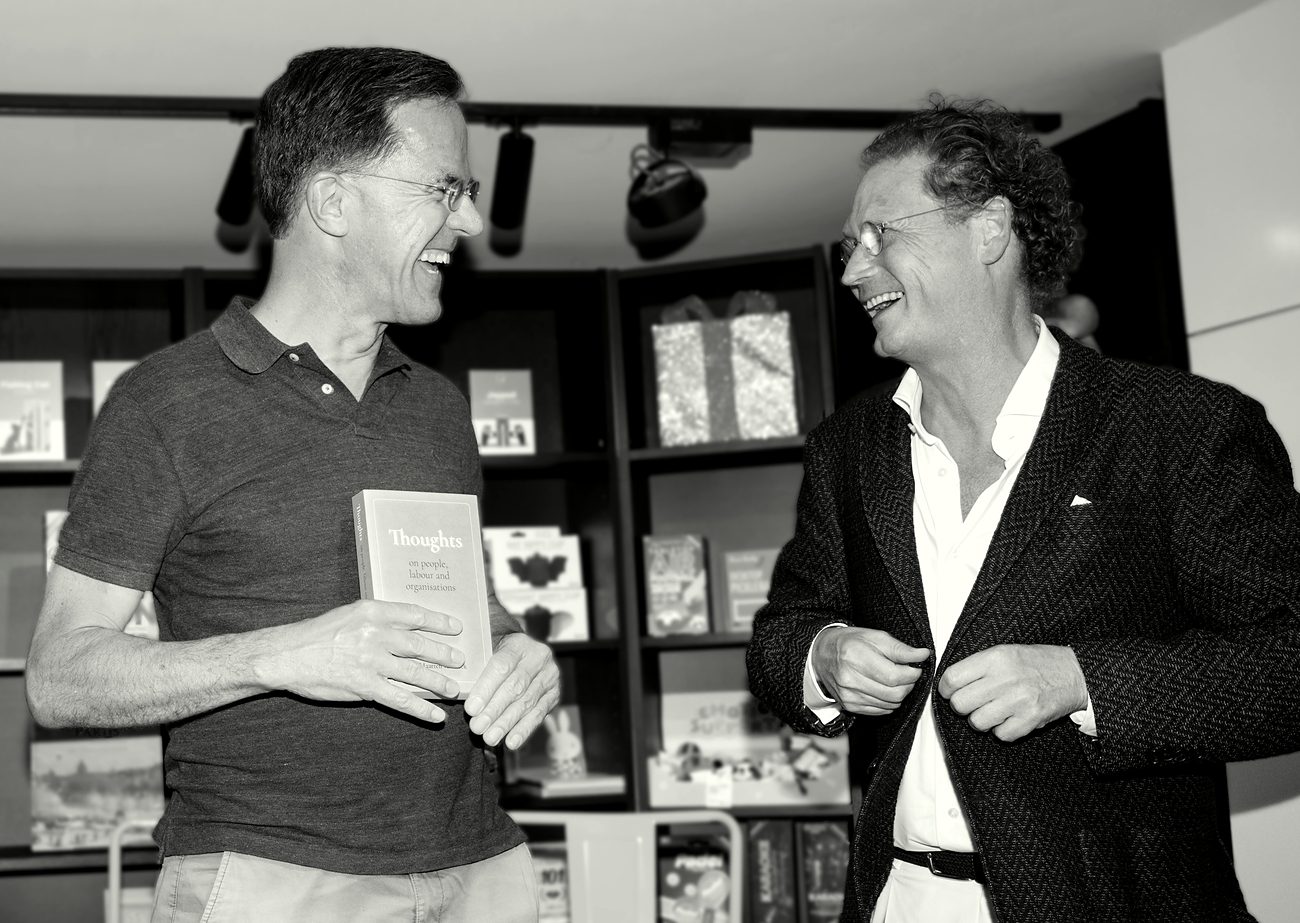
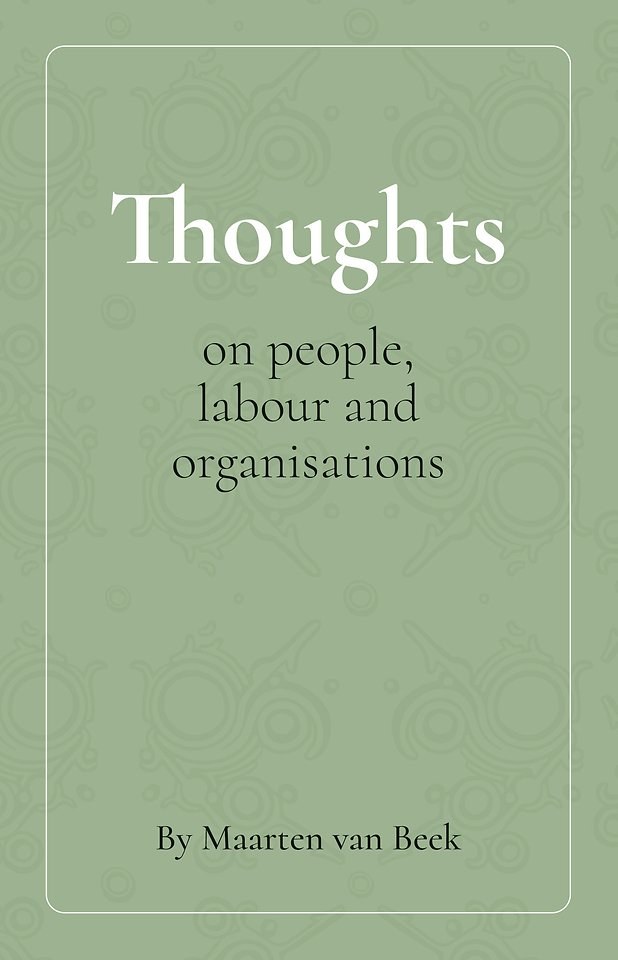
Bright Leadership, according to Maarten.
For Maarten van Beek, leadership talent shows in people who make others bigger rather than themselves. He learned that leadership is not a position but something others temporarily give you, and he asks leaders to stop pretending to know. He gives responsibility away, because trust and responsibility only work together. He believes people rarely need to be fixed, and that curiosity beyond work, at the dinner table, in books and art, is part of the job. And he looks further than the organisation: leadership is not only about leaving your organisation better than you found it. It is about leaving a small part of society better too.