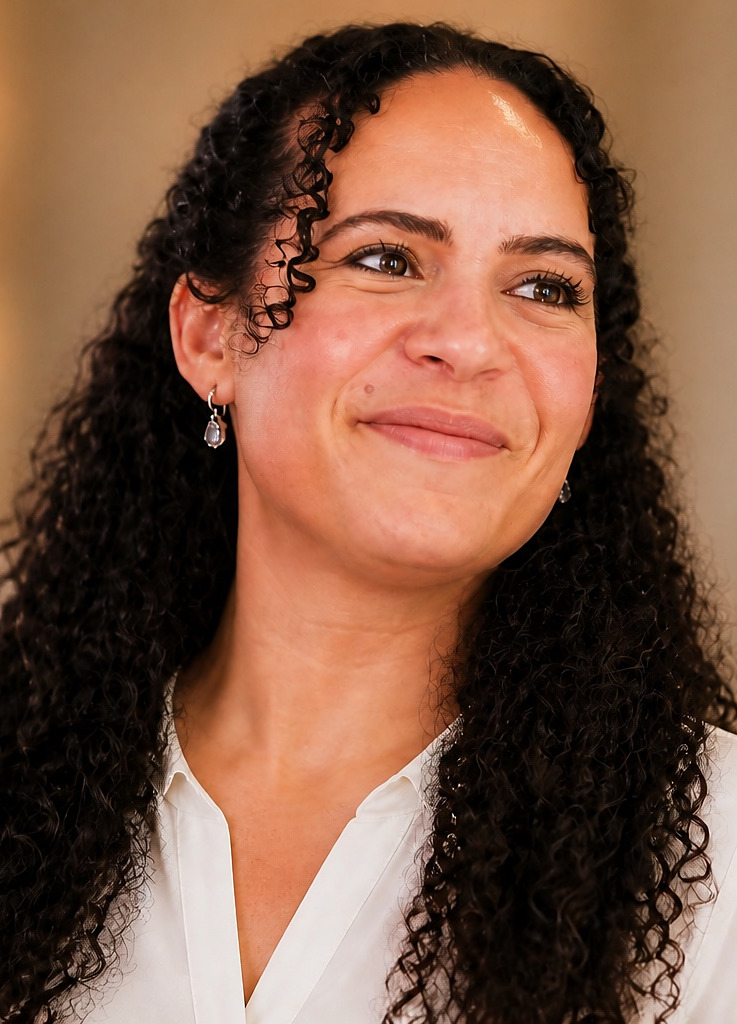
Marcia Goddard studies what happens in the brain when people work together, and then translates it into something leaders can use. Her starting point is simple: your brain is built to keep you alive, and it does that by predicting what comes next. Take away the predictability and you get a stress response, and how a leader handles that response decides almost everything that follows. What follows is a conversation about control and trust, about the difference between being nice and being kind, and about why almost nobody is being difficult on purpose.
What does leadership talent mean to you, and how do you recognise it immediately?
Talent gets you noticed, and drive keeps you going. That’s the short version, and it’s the title of one of the chapters in my book Driving Performance for a reason. Raw talent is potential, and potential only turns into performance in the right environment. So when people ask me what leadership talent looks like, it’s always about more than just experience or someone who has the right things on their CV.
What catches my eye is behaviour. The person who lights up when a challenge gets messy and complicated. The one willing to challenge authority in a room full of nodding heads. That last one can be a bit annoying to manage, but it’s almost always worth it. And the person who doesn’t let their ego get in the way of good decision-making.
The trap is confusing confidence with competence. Some people look like leaders. Others just quietly are leaders, but they’re easy to miss if you only reward the loudest voice in the meeting. I don’t think you recognise leadership talent immediately, as much as you build the conditions that let it surface. If you give people room to fail safely and then hand them a real challenge, leadership talent will surface.
‘Talent gets you noticed, and drive keeps you going.’
Which leadership challenge should leaders be preparing for in the coming years?
The pace of change, and what constant uncertainty does to the human brain. Your brain has one job, which is to keep you alive, and it does that by predicting what happens next. Unpredictability is the one thing it can’t stand. When change hits, your brain fires off a stress response, and how people interpret that stress decides everything.
Frame a change as a threat, and you get rigidity. People cling to what they know, even when it’s clearly stopped working. ‘But we’ve always done it this way’ is the sound of a threatened brain. Frame the same change as a challenge, and you get resilience, adaptation, a willingness to reinvent.
AI is going to make this sharper over the next few years. The technology moves faster than most people can comfortably absorb, and fear is a lousy foundation for adoption. The leaders who thrive will be the ones who make it psychologically safe for their teams to experiment, ask stupid questions, and learn without feeling like they’re about to be digitally transformed out of a job. The tools matter far less than that. If you manage the fear, technological adaptation and adoption will be much easier.
‘Fear is a lousy foundation for adoption.’
What should leaders stop doing because it simply no longer works in today’s world?
Reaching for control the moment the pressure rises. It’s the most understandable habit in the world, and it’s lethal.
The more senior you are, the bigger the consequences of your decisions, and perceived risk switches on your threat-detection system. That narrows your focus and makes you crave control. So you step in, you make the call, you tell everyone what to do. It feels like leadership. It feels like you’re protecting the team. What you’re actually doing is stripping away their autonomy and teaching them that their input isn’t needed when it counts.
Command-and-control had its moment. On a modern work floor, where the problems are too complex for any one person to tackle alone, it just caps your team’s potential at the level of your own thinking. It’s much more effective to say something like, ‘This is a high-stakes moment, and every instinct I have is screaming at me to take over, so help me out and let’s get everyone’s best ideas out here.’ If you say that, you keep the door open. Also, funnily enough, saying it out loud makes it easier to resist the urge to take over.
‘Command-and-control had its moment.’
Which leadership decision has made you or your team visibly stronger?
Handing over control of things I used to grip too tightly. I write and teach about trust over control, but running a business is not something that comes naturally to me. I don’t necessarily struggle with the interpersonal side of it, but I almost felt like I was imposing when I was asking my team to take things on.
So for a long time I was the bottleneck. The client relationships, the commercial side, all of it ran through me. Bringing in people I trust and then actually letting them lead, rather than doing it myself ‘so as not to bother them,’ changed the whole shape of the business. Most recently that meant handing our entire business development pipeline over to someone whose job it is to be brilliant at exactly the thing I’m mediocre at.
The visible difference is that the work got better and I got saner. When you trust capable people to do their jobs, they take ownership, and ownership is the start of every behaviour you actually want from a team. And to be honest, it’s a huge relief not to have to handle every single client interaction because I’m terrible with remembering faces and I regularly forgot to follow up after meetings. Business development is not my forte. It is hers, and she is knocking it out of the park, so everyone wins (including our clients!).
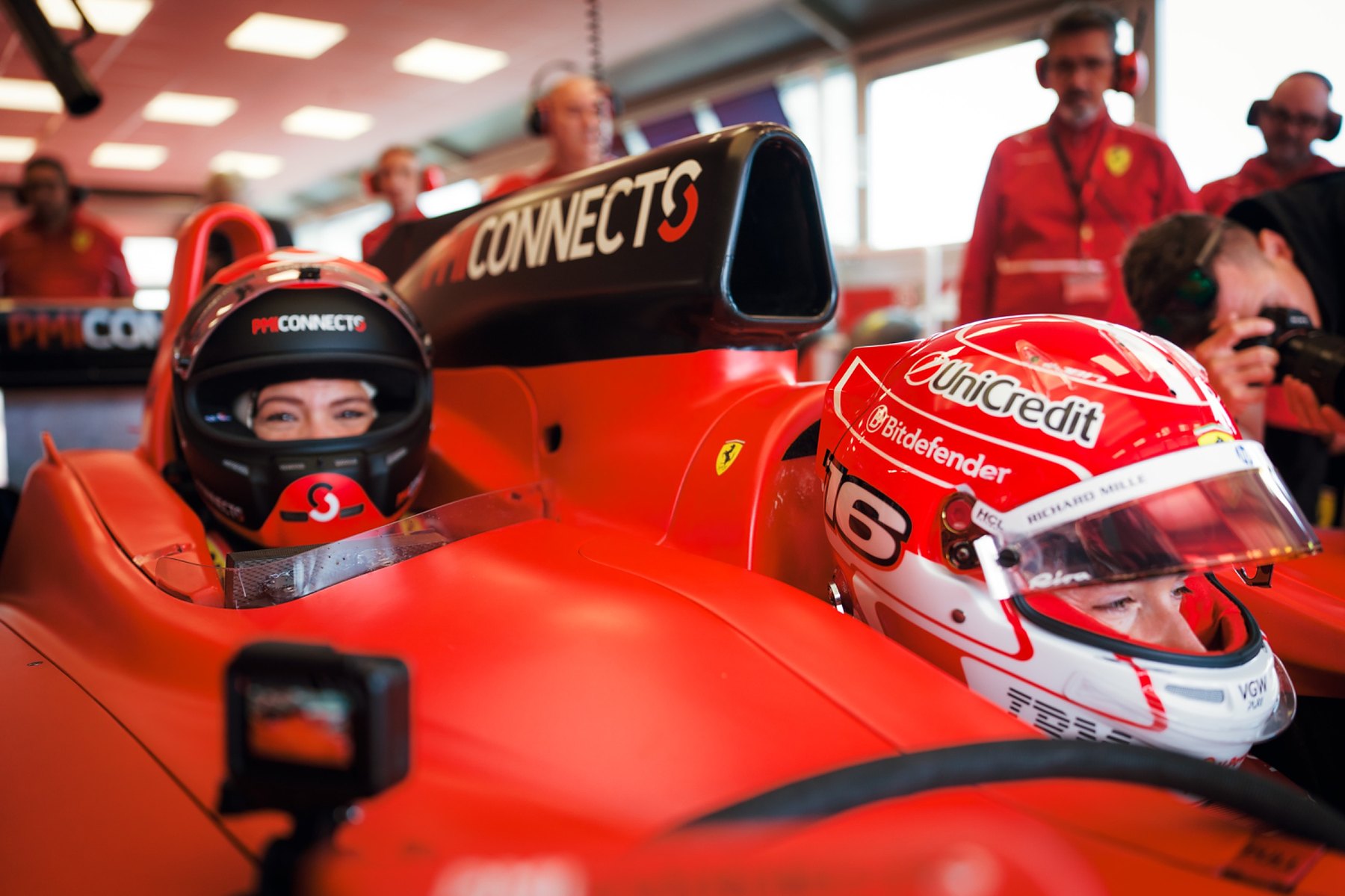
Which quality in other leaders genuinely gives you energy?
Situational humility. The willingness to say ‘I don’t know, but let’s find out together’ in a room full of people who expect you to have every answer.
It sounds small, but it’s one of the hardest things for a leader to do, since power warps your perception. People start agreeing with you more, challenging you less, and before long you’re stuck in an echo chamber, convinced everyone shares your view. The leaders who fight that, who ask what they’re missing and mean it, who invite the pushback, are the ones who get the best thinking out of their people.
I find it energising to watch. It takes real bravery to lead that way. Anyone can perform certainty. Owning your blind spots in front of your team, and treating that as a strength, is a different order of confidence. Those are the leaders I want to work with, and the ones I learn the most from.
‘Anyone can perform certainty.’
What style of leadership drains your energy, and why?
Two styles, and they look like opposites. They do the same damage.
The first is leadership by fear. Berate someone for a mistake, tell them they’re useless because they had a bad day, and you’ve taught their brain one lesson: never take a risk again. Colour inside the lines, keep your head down, don’t put yourself out there. It’s the fastest way to kill performance.
The second drains me in a subtler way. It’s the leader who confuses being nice with being kind. Everyone’s pleasant, nobody disagrees, and the mood in the room is lovely right up until the project falls apart anyway. Relentless niceness usually signals a conflict-avoidant culture, which is the opposite of a safe one. Kindness sometimes means telling someone a hard truth they need to hear. Watching a leader dodge that conversation, over and over, to keep the peace wears me out. Avoiding the difficult conversation protects no one. It delays the inevitable and lets the problem grow until it becomes unmanageable.
There’s actually a third one that I was reluctant to share but since it’s the one my team and I encounter the most and I’m already venting anyway, let’s get it out there. Our core business is helping organisations remove barriers to sustainable high performance. When we are hired, leaders know we will be digging into their culture to find the problem. I cannot stand it when, once we’ve found the problem and it requires them to reflect, act, or change something in how they lead, they deflect or deprioritise what we’re doing because the outcome isn’t what they were hoping for. That lack of accountability is hugely frustrating, and it almost paralyses our ability to actually be of service. It annoys the hell out of me.
Which leadership quality is consistently underestimated?
Cognitive empathy, and it gets underestimated partly because the word ‘empathy’ makes some corporate leaders twitch.
People hear it and picture group hugs and trust falls. Cognitive empathy is something more practical and useful than that: the skill of accurately working out how a situation looks from someone else’s chair. What are they thinking, what do they need, why are they reacting this way? It facilitates clear communication, sharp negotiation, honest feedback, and defusing conflict before it detonates.
If you can’t model what’s going on in someone else’s head, you’ll misread people constantly. You’ll pitch your message wrong, or miss the real objection, and you’ll struggle to inspire and rally people around you. Leaders who can shift perspective on demand get more out of their teams. They actually understand the people in front of them. The reassuring part, for anyone convinced they’re hopeless at it, is that it’s trainable. Your brain can build that muscle at any age. You just have to put in the effort.
What insight about people do you wish you had understood ten years earlier?
That almost nobody is being difficult on purpose. What looks like resistance, defensiveness, or plain stubbornness is usually a brain that feels unsafe, doing exactly what brains evolved to do: protect its owner from a perceived threat.
Ten years ago I would have read those behaviours as character. He’s an asshole, she’s a whiner, they’re just not team players. Once you understand the neuroscience, a better question presents itself. Less ‘what’s wrong with this person’ and more ‘what is their brain reacting to, and why does it read as danger?’
It changes how you lead completely. You stop trying to win the argument and start trying to lower the threat. You get curious before you leap to conclusions. And you catch yourself before negativity bias slowly convinces you that a struggling team member is a lost cause, when more often than not they’re a capable person stuck in the wrong conditions. I wish I would have known that earlier. It would have made my corporate career a lot less of a struggle. On the other hand it did spark my decision to found Brain Matters Consulting, so I guess it worked out.
How do you see the future of leadership?
More human. As AI absorbs more of the mechanical work, the parts that stay human become the whole job. Judgement, context, critical thinking, the ability to build trust, getting a group of people to think well together. Those shift from ‘nice to have’ to the entire point of leadership.
I think the future belongs to leaders who see their real job as building the conditions for other brains to do their best work. That means treating psychological safety as the operating system rather than a ‘we’ll get to it when we have time’ perk. It means treating your team’s capacity to learn and adapt as your single most valuable asset. On a work floor defined by constant change, learning velocity beats experience.
If you’re not working with the brain’s capacity to change, you’re managing the past instead of leading for the future. That’s where I think this will go. The leaders who understand how people actually work, right down at the level of the brain, will run circles around the ones still relying on authority and control. The science is finally catching up to what the best leaders always did on gut feel. Now the rest of us can learn it on purpose.
‘Learning velocity beats experience.’
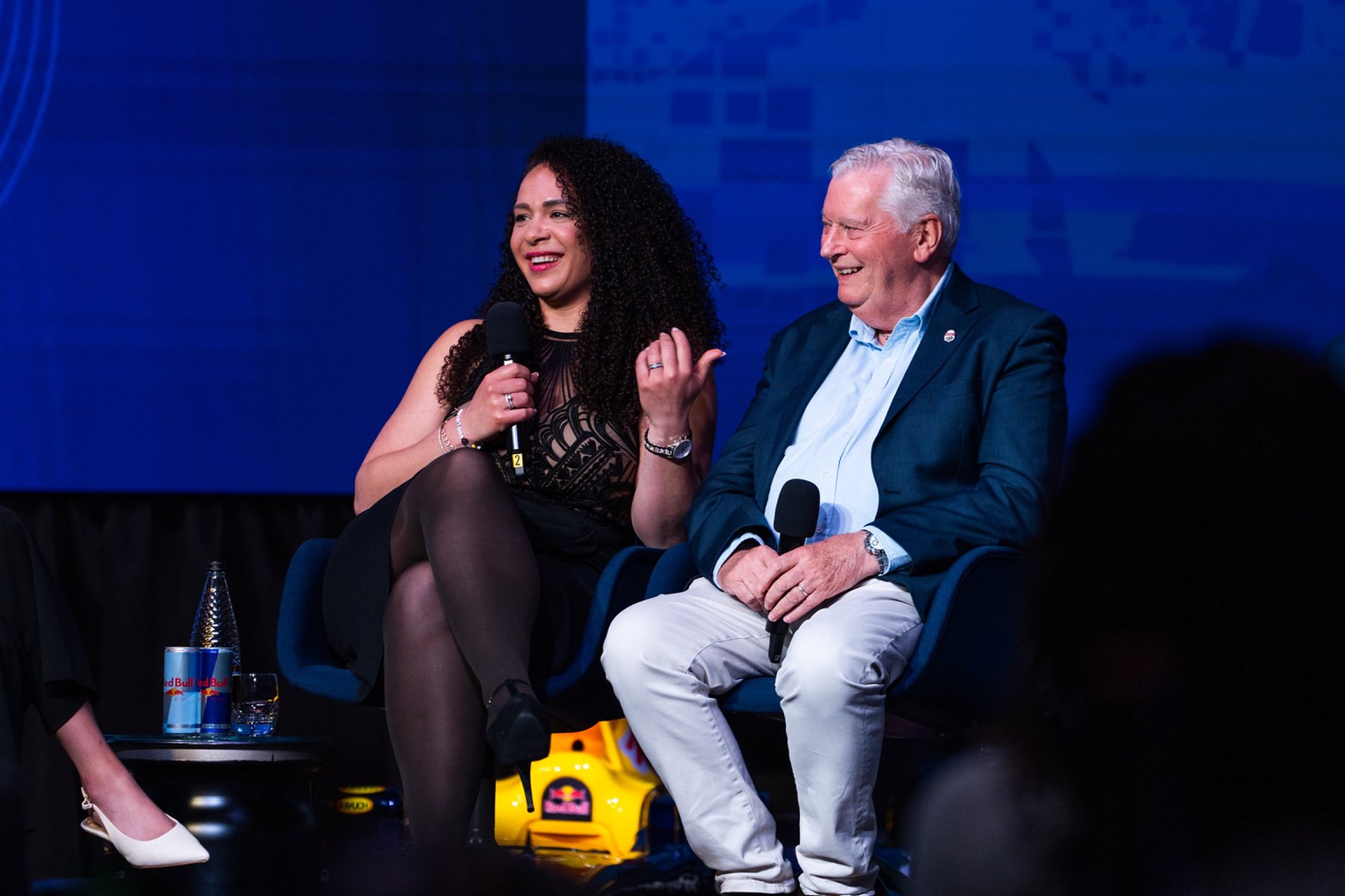
Bright Leadership, according to Marcia.
For Marcia Goddard, leadership starts in the brain. She looks for the behaviour that shows up when a problem gets messy, and builds the conditions that let leadership talent surface. She warns against the reflex to take control when the pressure rises, and against the leader who mistakes being nice for being kind. She gave away the work she was gripping too tightly, and the work got better. And she reads difficult behaviour as a brain that feels unsafe rather than a character flaw, because almost nobody is being difficult on purpose.