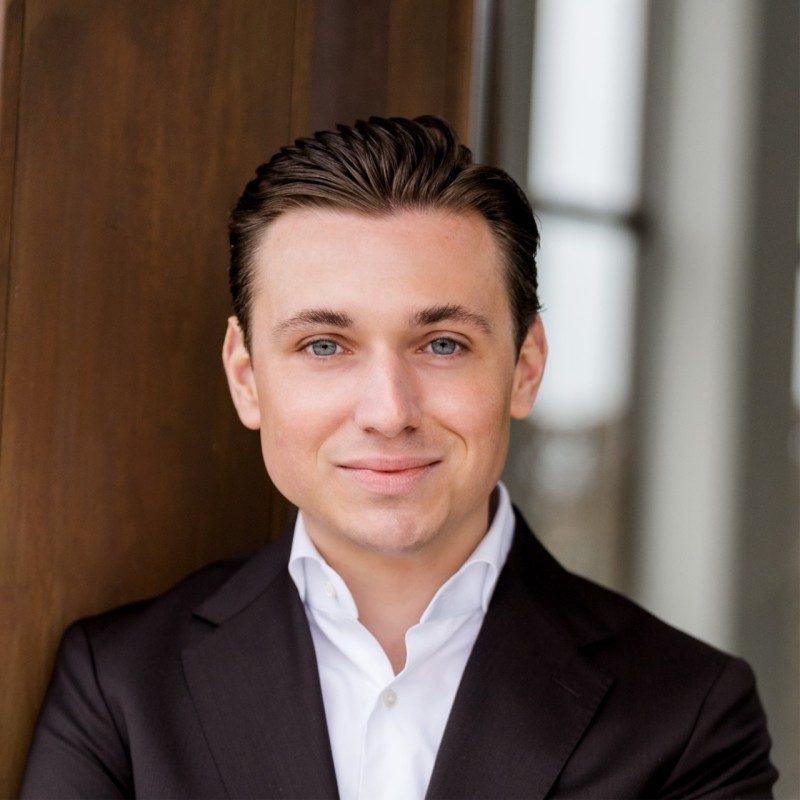
Maximilian Krijgsman took the helm of RGF Staffing the Netherlands in early 2025, responsible for some of the country's best-known staffing brands. He rose through the trade himself, from consultant to managing director, and it shows in how he talks about leadership: close to the operation, allergic to process management, and convinced that an organisation never steers itself. What follows is a conversation about laser focus, presence, and why he would rather follow someone with the courage to learn than someone who thinks they already know everything.
How do you recognise genuine talent when you see it?
For me, leadership begins the moment someone takes responsibility without being asked. That is usually the first thing I recognise. Not the person who talks the most or has the longest CV, but the one who starts moving while others are still waiting. People who see opportunity where others see problems, take ownership before it is their job, and draw energy from the success of the team. I also believe leadership is not a title. It is a habit. You see it in small things: someone who does not avoid difficult conversations, who can honestly say 'I should have done that better', who stays curious and wants to be a little better every day. In the end, I would rather follow someone with the courage to learn than someone who thinks they already know everything.
You cannot motivate people. You can only create an environment in which motivation can emerge.
What leadership challenge keeps you up at night?
Now that AI is taking over more and more tasks, the difference will be made by leaders who know how to connect people. And I believe the pace of change is only going to increase. Leaders have to become comfortable making good decisions on eighty percent of the information, adjusting course along the way and taking their organisation with them. For me, the coming years come down to one question: how do you make technology smarter without leadership becoming more distant? The organisations that get that right will make the difference.
What should leaders simply stop doing?
I am sometimes called a micromanager. Honestly, I can laugh about that, because I believe leaders should stop leading from a distance. We have talked a lot about autonomy and letting go in recent years, but at times that has gone too far. An organisation does not run itself. I believe in visible, active leadership. That does not mean sitting on top of everything, but it does mean knowing what is going on. You can only make good decisions when you understand the operation, live the business and speak regularly with clients, candidates, employees and teams. Leaders do not have to solve everything themselves, but they do carry the responsibility to know what is happening. Only then can you give direction, adjust in time and help people succeed. For me, engagement is not control. It is a condition for good leadership.
Which decisions made RGF Staffing genuinely stronger?
Perhaps the most important leadership decision I made was to really choose, and to work with laser focus. When I started as CEO we were doing many good things, but the sharpness in priorities was sometimes missing. So we deliberately decided not to start more initiatives, but to do fewer things really well. We let everything fall out of our hands and went back to why we exist: our craft, the trade of recruitment. That meant choices that were not always easy. We sharpened the strategy, rebuilt the head office around the idea that the brands, our daughters, matter more than the holding, the mother. We brought far more rhythm into the organisation and put commercial execution at the centre. Less talking, more doing. What makes me proudest is that the team came out stronger. Not because everyone thinks the same, but because we challenge each other, decide faster and feel far more ownership.
What leadership style gives you energy?
I get energy from leaders who stand on the stage. People with a vision who dare to make choices and take responsibility for them. Not because they are always right, but because they always bring ideas and inspiration. In my experience, insecurity rarely comes from a difficult decision. It comes far more often from no decision. I also admire leaders who are visible. Who do not only govern from the boardroom, but are on the work floor, talk to stakeholders and show genuine interest in their people. Leadership is, to a large extent, presence. And maybe most of all: humble confidence. Leaders who are convinced of the course, but curious enough to change their mind when the facts ask for it. That combination of decisiveness and curiosity inspires me enormously.
And what drains your energy as a leader?
Where I really lose energy is when leadership turns into process management. When agendas become more important than clients, reports more important than results, and we are busier explaining what we are going to do than actually doing it. I believe leaders should be visible where value is created. In my world that means: with clients, candidates, branches and teams. That is where you hear the signals you will never get from a dashboard, and where the insights emerge that lead to better decisions. Maybe that is also why I am impatient. I love pace. Not because everything has to be fast, but because standing still never helps an organisation. In the end, leadership is a contact sport.
Which quality is most underestimated in leaders?
I think consistency is one of the most underestimated qualities in a leader. We tend to admire visionaries, inspiring speakers, people with big ideas. But organisations are not built by a few brilliant moments. They are built by leaders who set the same example every single day. Being consistent means doing what you say, not postponing difficult conversations and holding the same standards even when it is uncomfortable. That creates clarity, predictability and, ultimately, trust.
What is your most important insight about people?
I wish I had understood ten years ago that you cannot motivate people. You can only create an environment in which motivation can emerge. Early in my career I assumed everyone got energy from the same things I did: pace, and always taking the next step. By now I know how different people are. One person is driven by challenge, another by security, development or recognition. That insight made me a better leader. Not because I lowered my expectations, but because I started investing more time in understanding the person behind the role. In the end you do not lead organisations. You lead people. And people are never all the same. That may be the greatest challenge in leadership, and also the most beautiful part.
What does the future of leadership look like?
I think the future of leadership is much less about knowing and much more about wanting to learn. We live in a time when knowledge ages faster and faster. AI is changing entire jobs, markets are moving at an unprecedented pace, and today's certainties can be outdated tomorrow. In a world like that, the best leader is not automatically the one with the most experience, but the one with the greatest capacity to learn. That is why I believe so strongly in a growth mindset. Stay curious. Actively seek out feedback. Dare to change your mind when the facts ask for it. And above all: fail fast, learn fast, improve fast. Organisations that dare to experiment, learn and adjust build a far bigger lead than organisations that wait until everything is certain. The best leaders of the future will not be the ones with the most answers, but the ones who grow the learning capacity of their organisation. Because for organisations the same is true as for people: the moment you think you have arrived, you are already falling behind.
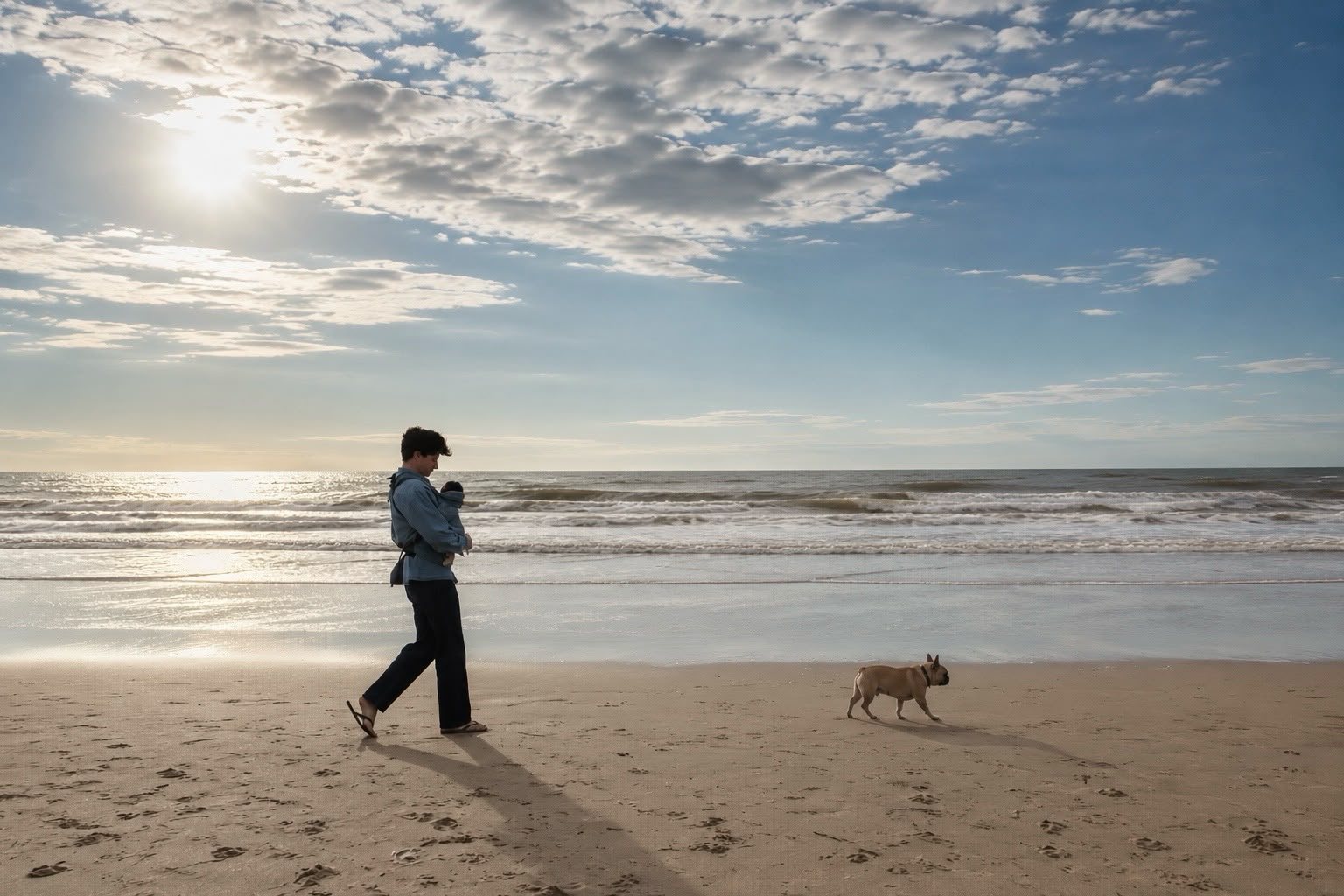
Bright Leadership, according to Maximilian.
For Maximilian Krijgsman, bright leadership is a habit practised daily rather than a title conferred once. It shows up as presence: knowing the operation, being visible where value is created, and hearing the signals a dashboard will never surface. It means choosing with laser focus, doing fewer things really well, and holding the same standards on the days when that is uncomfortable. And it rests on an insight he wishes he had reached sooner: you cannot motivate people, you can only build the environment where motivation can emerge. In a world where knowledge ages faster than ever, he bets on the leaders, and the organisations, with the greatest capacity to learn. Because the moment you think you have arrived, you are already falling behind.