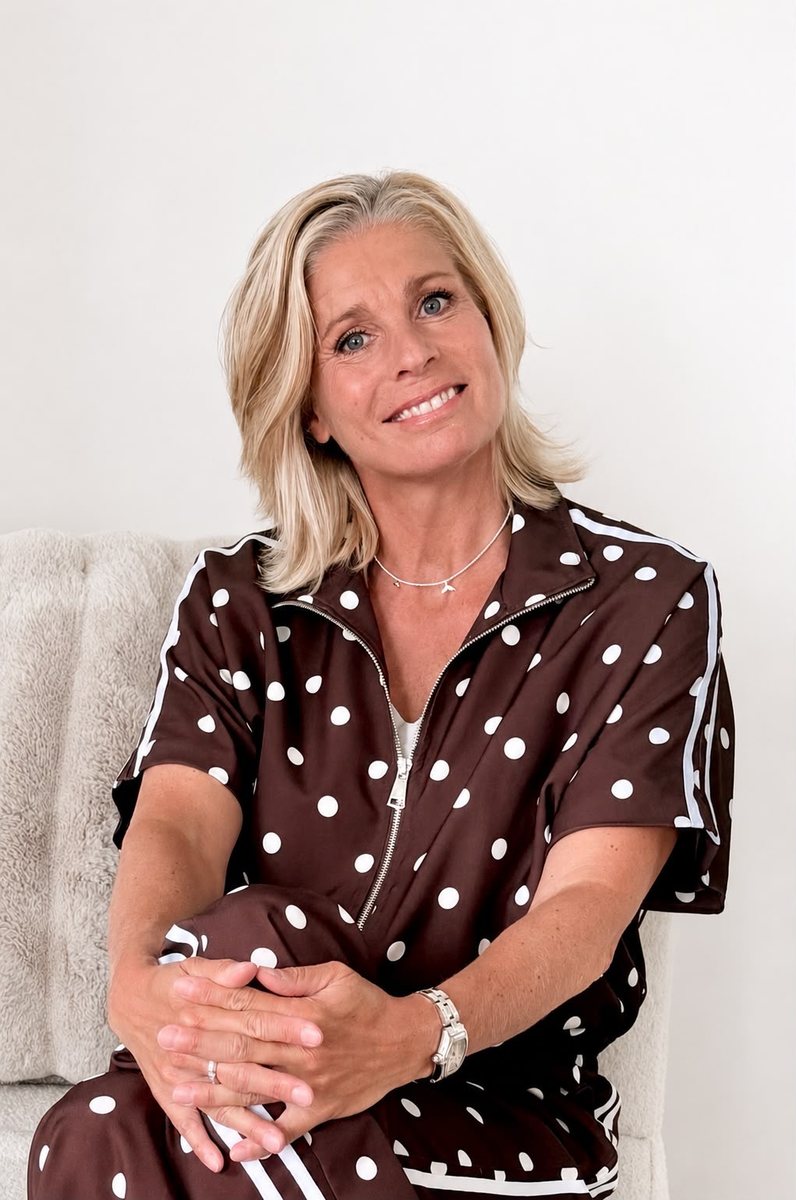
Nancy Hoogland has watched leadership from both sides of the house, first as a commercial and general manager, then from the top of the people function. It left her with a conviction she keeps returning to: an organisation is a chain, and a leader's real work is not to be its strongest link, but to make every other link stronger. What follows is a conversation about teams, trust, and building the conditions in which people outperform themselves.
How do you recognise real talent when you see it?
For me, leadership is not about being the strongest person in the room. It is about creating an environment where everyone else can perform at their very best. I recognise leadership talent in people who combine confidence with curiosity. They are willing to challenge ideas, invite different perspectives and are comfortable admitting they don't have all the answers. They understand that expertise is distributed throughout an organisation and that better decisions emerge when different disciplines genuinely listen to one another. The best leaders don't create followers. They create teams that become increasingly capable without depending on them. Leadership begins when people perform better because you are present, not because you are in charge.
Leadership begins when people perform better because you are present, not because you are in charge.
What makes you different as a leader?
I think it comes from having spent half of my career on the business side and half in HR. I started my career in commercial and general management, with responsibility for customers, revenue, teams and business performance. Later, I moved into HR and eventually into executive HR leadership, where I developed deep expertise in transformation, organisational design, workforce strategy, culture and leadership. That combination has shaped how I see organisations. I don't look at a business through an HR lens, or at HR through an organisational lens. I look at the organisation as a whole. I start with the strategy: where are we going, what are we trying to achieve, what does the customer need from us, and therefore what organisation, capabilities, leadership and culture do we need to make that happen? I believe that is where HR creates its greatest value. Not by designing the best HR policies, but by working alongside the business to understand what needs to be achieved and then building the conditions for people to deliver it. My commercial background also means I naturally keep the customer and business outcome in view. People are the organisation's most important asset, but they are also the people who ultimately create the customer experience and business performance. So perhaps what makes me different is that I don't see the people agenda as one part of the business. I see people, organisation and business performance as one system.
What should leaders truly prepare for in the years ahead?
The greatest challenge isn't AI. It isn't regulation. And it isn't geopolitical uncertainty. The real challenge is leading organisations where continuous change has become the normal state rather than the exception. That requires a different kind of leadership. Leaders who can provide clarity without pretending certainty exists. Leaders who create confidence without creating dependency. Leaders who understand that culture is not built through communication campaigns, but through thousands of daily decisions. Technology will continue to reshape organisations. Leadership will determine whether people are willing to reshape themselves.
What should leaders simply stop doing?
Stop believing that leadership means having all the answers. The organisations that thrive today are rarely built around one exceptional individual. They are built around exceptional collaboration. I've always believed that a leadership team resembles a chain. Every link has a different purpose, but every link is essential. Remove one, and the strength of the whole system weakens. The value of a team is therefore not found in brilliant individuals, but in the quality of the connections between them. A leader's role is to design that system, bringing together complementary expertise, encouraging constructive challenge and ensuring every voice contributes to better decisions. I think that high performance doesn't come from hiring exceptional people. It comes from designing exceptional teams.

Which leadership decision made you and your team visibly stronger?
The most important leadership decision I consistently make is investing significant time in building the right team before trying to accelerate results. Once you have people who trust one another's expertise, challenge each other's thinking and genuinely want one another to succeed, something remarkable happens. The leader no longer becomes the centre of every decision. The team itself becomes stronger than any individual within it. That shift creates resilience. Decisions become better, ownership increases and change happens much faster because people feel collectively responsible rather than individually accountable. I've learned that organisations scale through relationships, not hierarchy.
What is the role of HR in a high-performing organisation?
I believe the future of HR is not about being the owner of the people agenda. It is about being a partner in the business agenda. The strongest People functions don't start with HR policies or processes. They start with the strategy. What are we trying to achieve? What capabilities will we need? How should we organise ourselves? What kind of leadership will enable us to succeed? And what do our people need to perform at their best? That is where true HR business partnering makes the difference. Having come from the business myself, I know how valuable it is to have an HR partner who understands the commercial reality, speaks the language of the business and is willing to challenge leaders rather than simply support them. The role of HR is therefore not to make the business fit HR. It is to help the business become better by understanding what its strategy demands from its people and organisation. When that happens, HR stops being a support function and becomes a genuine driver of sustainable performance.
Which leadership style gives you energy?
Leaders who make themselves progressively less necessary. I admire leaders who are approachable without losing authority, empathetic without avoiding difficult conversations, and decisive without becoming dominant. The leaders I respect most instinctively know what different people need to perform at their best. Sometimes that means coaching. Sometimes challenge. Sometimes simply trust. They understand that leadership is situational because people are human.
And what drains your energy?
Leadership driven by ego or fear. Whether it manifests as excessive control, internal politics or an unwillingness to delegate responsibility, it creates organisations where people spend more energy protecting themselves than creating value. I've always believed that accountability should work differently. I absorb accountability upward and distribute learning downward. If my team makes a mistake, that is my responsibility towards the organisation. Within the team, however, we don't look for someone to blame. We ask what we can learn, what we overlooked and how we ensure we become stronger because of it. That creates trust. And trust creates performance.
Which quality is most underestimated in leaders?
The ability to read people. Not simply understanding personalities, but recognising what enables someone to do their best work. Some people need autonomy. Others need challenge. Others need reassurance before they are willing to take risks. A leader who can sense those differences creates an environment where people outperform their own expectations. Empathy is often misunderstood as kindness. I see it as strategic intelligence.
What insight about people do you wish you'd had earlier?
Earlier in my career, I believed that exceptional performance mainly came from exceptional individuals. Experience taught me something different. Performance is largely a consequence of the environment leaders create. When people feel psychologically safe, understand the purpose behind their work and know they are trusted to contribute from their own expertise, they almost always exceed expectations. Leadership is therefore less about changing people than about changing the conditions in which they work. People rarely need a different personality. They often need a different environment to do their best work.
What does the future of leadership look like?
The future belongs to leaders who think like architects rather than commanders. They don't focus primarily on directing people. They design organisations where collaboration, learning and accountability naturally reinforce one another. For me, Bright Leadership means leaving behind something stronger than yourself. Not because you were indispensable, but because the organisation has become more capable, more resilient and more connected through your leadership. Ultimately, leadership is never measured by the success of the leader. It is measured by what continues to thrive after the leader has left. A leader is not the strongest link in the chain. A leader ensures every link makes the next one stronger.
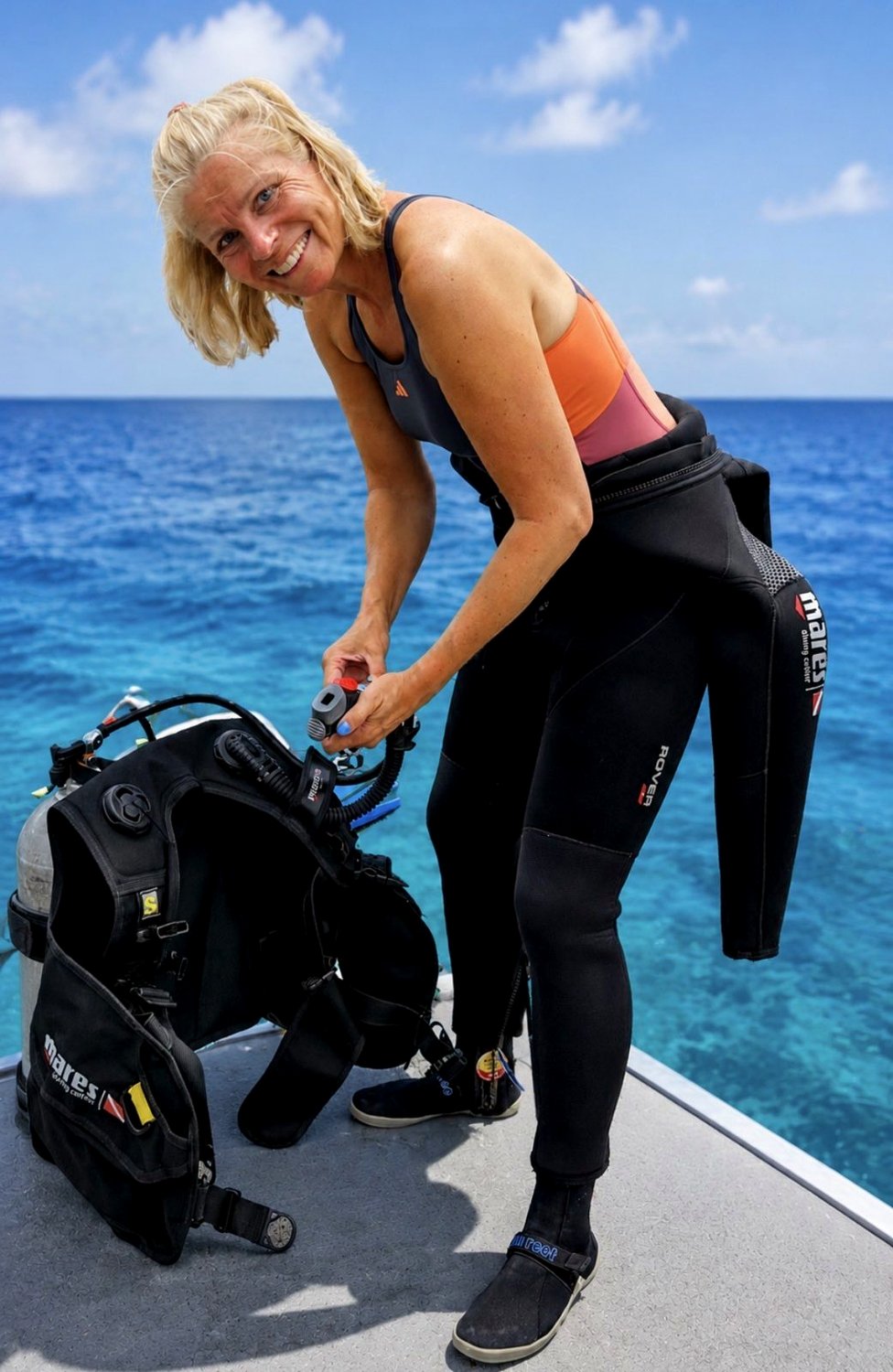
Bright Leadership, according to Nancy.
For Nancy Hoogland, bright leadership is architecture rather than command. It begins with the environment: psychological safety, a clear sense of purpose, and the trust that lets people contribute from their own expertise. It treats a leadership team as a chain in which every link makes the next one stronger, and it treats empathy not as kindness but as strategic intelligence, the ability to read what each person needs to do their best work. Above all, it is measured late. Not by what the leader achieves, but by what keeps thriving once the leader has gone.