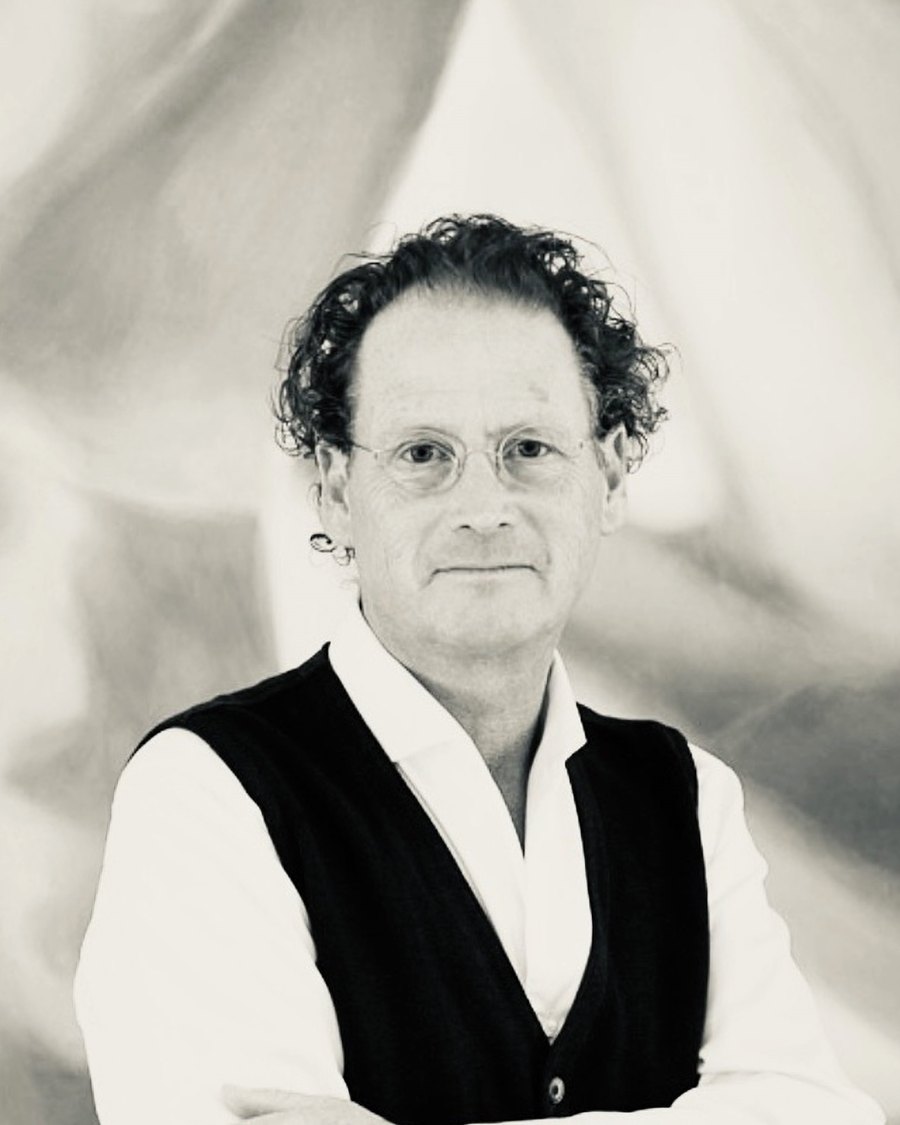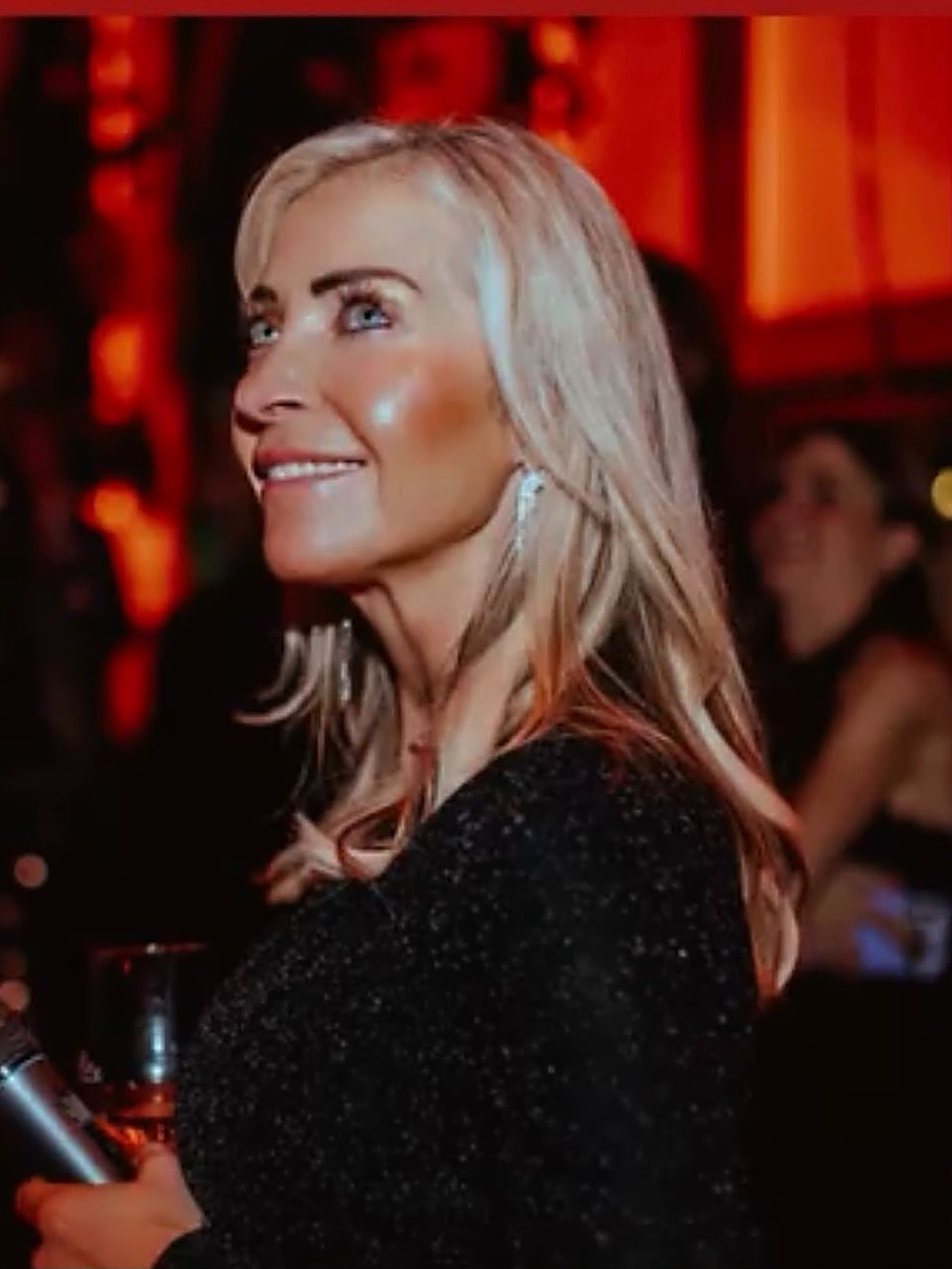
Esther van Koot runs Flagship Amsterdam the way she leads: fast, commercially sharp, with a bar that is always a notch higher than comfortable. But the leader in this conversation is not the one who pushes. It is the one who learned that her own speed could hold people back, who grows her team leads from the front line, and who will have the hard conversation and then stand right next to you. Drive and warmth, in that order and at the same time.
What is the essence of leadership talent for you, and how do you recognise it immediately?
Leadership talent is ownership: you see a problem, you act, and you take the people around you with you. I recognise it on the quay before I see it in a boardroom. Someone who steps in without waiting for permission and makes the people next to them better. You can see it long before anyone has a leadership title.
You can see it long before anyone has a leadership title.
Which moment shaped you more as a leader than any book or course ever did?
The moment I realised that my own speed could become a bottleneck. I was used to stepping in and solving things myself, quickly, because I could. It felt like leadership. It was not, because nobody grows when you keep doing it for them. I learned to give clearer direction, to make room for others to decide, and to still be there when it gets difficult. That last part matters most.
What should leaders stop doing because it no longer works in this time?
Confusing control with leadership. If every decision has to go through you, your team can only move as fast as you do, and that is never fast enough. Set clear expectations, give people real ownership, and when the results are not there, say so directly. Control feels safe. Clarity works.
If every decision has to go through you, your team can only move as fast as you do.
Which leadership decision made you or your team visibly stronger?
Choosing to grow our leaders from within. Many of our team leads and business owners started in operational roles, on the boats and on the quay. They know the business, the guests and the pressure of a Saturday in July. Giving them real responsibility has made them grow faster than any training could, and it has made the company more resilient. The people who carry the front line now carry the company.

What gives you energy in other leaders, and what drains it?
Leaders who take ownership, speak honestly and find a way forward when it gets tough: that gives me energy, every time. What drains me is the opposite. Discussion after discussion without action, or someone who sees a problem and waits for somebody else to solve it. I do not expect perfection. I do expect progress.
How is AI changing what you expect from yourself and from your team?
AI lets us analyse, prepare and execute much faster, so my expectations go up, including of myself. I want us to ask better questions, test ideas sooner and spend our time on the decisions that actually matter. What does not change: we still have to challenge the output and own the result. The tool is fast. The judgement is ours.
What do the people who work with you every day know about you that the outside world does not see?
The outside world sees that I move fast and set a high bar. My team knows the other half: how much I care about the people behind the results. I will have the difficult conversation when it is needed, and I will not avoid it. But if you take responsibility and want to grow, I am standing right beside you. Both are true, every day.
If you take responsibility and want to grow, I am standing right beside you.

Which insight about people do you wish you had understood ten years earlier?
That giving someone trust is not the same as giving them clarity. For years I assumed that if I could see the goal, everyone else could see it too. They could not, and that was on me. People do their best work when they know what success looks like, where they are free to decide, and when they should come and ask. Trust opens the door. Clarity shows the way.
What will a bright leader in 2030 do differently from today?
A bright leader in 2030 uses AI to make the organisation faster and smarter, and at the same time gets better at the human side of leadership. Information and analysis will be everywhere. What will be scarce is judgement, courage, trust and the ability to bring people together. That is where leadership will be decided.
How do you know when to give someone space, and when to step in?
I give people room to decide and to learn, as long as they take ownership and keep talking to me. I step in when a problem is being ignored, when the team is getting stuck, or when the consequences become too big to let it run. Not earlier. Giving someone freedom also means being there when they need you.
“Giving someone freedom also means being there when they need you.Esther van Koot

Bright Leadership, according to Esther.
For Esther van Koot, leadership talent is ownership: seeing a problem, acting without waiting for permission and taking others with you. She learned that her own speed could become a bottleneck, and that trust is not the same as clarity. She grows leaders from the front line, expects progress rather than perfection, and uses AI to raise the bar for everyone, herself first. She gives people room to decide and to learn, and steps in when a problem is being ignored. Because giving someone freedom also means being there when they need you.