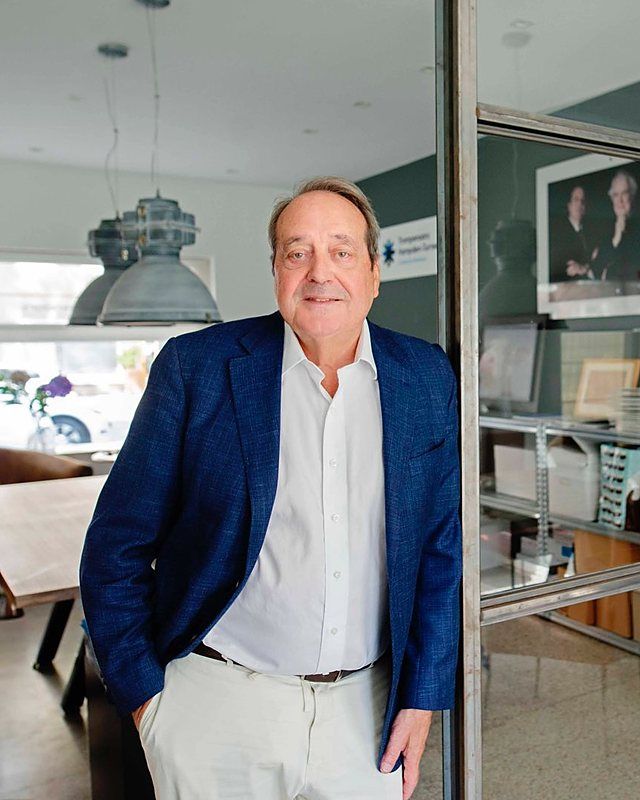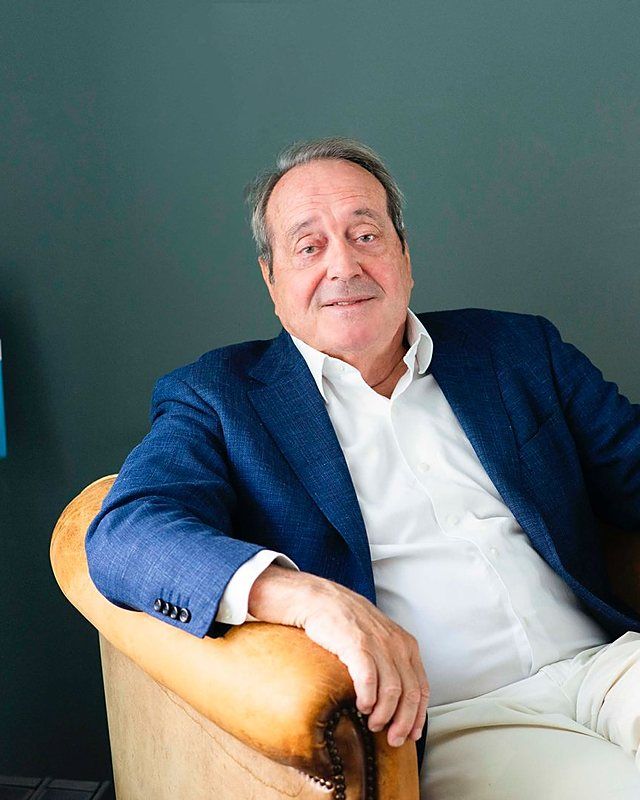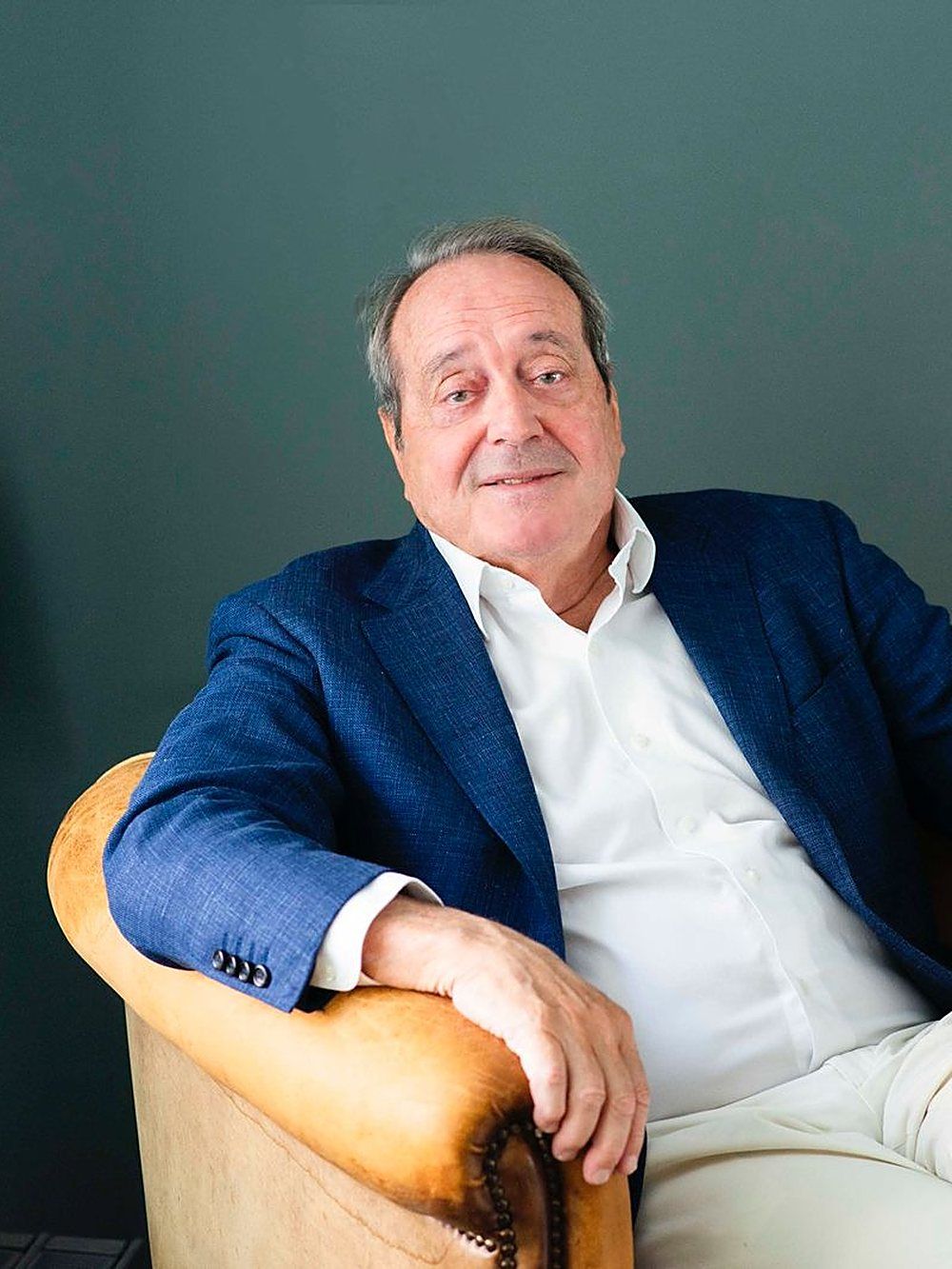
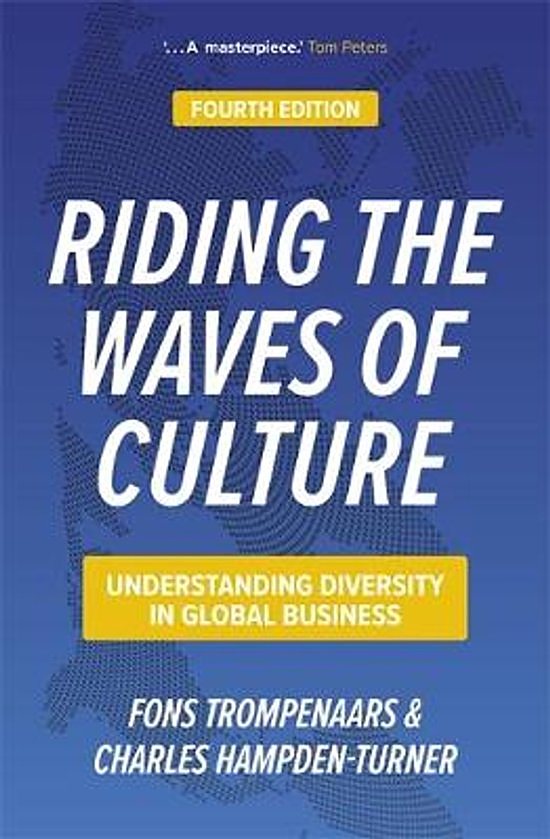
Fons Trompenaars has spent a working life studying what happens when people with different values meet. Riding the Waves of Culture, written with Charles Hampden-Turner, became a classic of international management. In this conversation he applies that lens to leadership itself: the dilemmas every leader carries, the value hidden behind behaviour we find difficult, and why a leader in 2030 will be, in his words, a Reconciler in Chief.
What is the essence of leadership talent for you, and how do you recognise it immediately?
I recognise leadership talent in someone who becomes curious when two people contradict each other. Who keeps asking and discovers which value each of them is trying to protect. A good leader can give direction and let themselves be corrected. The special talent lies in the ability to make opposites productive: better performance through more care for people, more innovation through discipline. That is where leadership begins for me.
A good leader can give direction and let themselves be corrected.
Which moment shaped you more as a leader than any book or course ever did?
The most formative moments are the encounters in which someone from another culture questions a conviction of mine that I took for granted. That is when you notice how cultural your own logic is. My international work has taught me to ask first: under which circumstances is what this person says sensible? That question has profoundly influenced the way I listen and lead.
What should leaders stop doing because it no longer works in this time?
The expectation that they must have the answer to everything. That makes their organisation dependent on their own limits. The constant choosing between people and performance, autonomy and control, or technology and humanity does not help us enough either. The leadership task is precisely to explore how the one can strengthen the other. That calls for better questions and the courage to make uncertainty discussable.
That calls for better questions and the courage to make uncertainty discussable.
Which leadership decision made you or your team visibly stronger?
A choice I value highly is to make differences within a team an explicit part of decision-making. Let the person who wants to move fast explain what is lost by waiting. Let the person who is cautious tell what we may be overlooking. Then you make a decision together in which both insights return. That strengthens ownership and the quality of execution.

What gives you energy in other leaders, and what drains it?
I get energy from leaders who want to achieve something essential and at the same time remain curious about others. People who can put themselves into perspective, have humour and make room for dissent. It drains my energy when someone uses their position to declare curiosity unnecessary. Especially when employees then start keeping their ideas and doubts to themselves. An enormous amount of human capacity is lost there.
How is AI changing what you expect from yourself and from your team?
AI makes it easier to produce a convincing answer quickly. As a result, the quality of our questions and our judgement become more important. I expect myself and my team to examine assumptions, to take different perspectives into account and to keep responsibility for what we do with an answer. AI can help discover patterns in many experiences. People must judge what those patterns mean in a concrete situation. The more digital we become, the more attention the human encounter deserves.
What do the people who work with you every day know about you that the outside world does not see?
That I myself am very much part of the dilemmas I speak about. I can become enthusiastic about new possibilities and at the same time attach great value to the body of thought we have built up. People who work with me have to help bring those different sides together. My own ideas need dissent just as much.
My own ideas need dissent just as much.

Which insight about people do you wish you had understood ten years earlier?
That behind behaviour you find difficult there is often a value you need yourself as well. Behind resistance there may be commitment, behind caution a sense of responsibility and behind impatience ambition. As soon as you understand what someone is trying to protect, the conversation changes. You can then explore how that value can contribute to what you want to achieve together.
What will a bright leader in 2030 do differently from today?
They consciously organise the interplay between human and artificial intelligence. They examine who is heard, which assumptions are built into the technology and where human judgement remains necessary. At the same time they help people develop their own judgement. For me, the leader of 2030 is a Reconciler in Chief: someone who brings differences together and makes sure the organisation can act better because of it.
“For me, the leader of 2030 is a Reconciler in Chief.Fons Trompenaars
Which opposite must every leader learn to reconcile within themselves?
The one between conviction and doubt. You need conviction to give direction and doubt to keep learning. The art is to use your conviction in such a way that others dare to think along, and your doubt in such a way that they can take responsibility. Then the capacity of the whole team grows.
What does servant leadership mean to you?
That you use your authority to enable others to carry responsibility better. That includes clear expectations, difficult conversations and decisions. You keep asking yourself: what do these people need to achieve together something that none of them can achieve alone? Sometimes that is space, sometimes direction, sometimes protection and sometimes a firm challenge.
Bright Leadership, according to Fons.
For Fons Trompenaars, leadership begins where two people contradict each other and a leader becomes curious instead of choosing sides. He asks leaders to stop pretending they have every answer, to make differences an explicit part of decision-making, and to look for the value behind behaviour they find difficult. AI makes good questions and sound judgement more important, not less. And the leader of 2030 is a Reconciler in Chief: someone who brings differences together so the whole organisation can act better. The more digital we become, the more attention the human encounter deserves.